Together Again: Helping Children Reconnect After Difficult Experiences

Together Again: Helping Children Reconnect After Difficult Experiences
When children go through tough experiences—such as illness, bullying, divorce, or loss—it can affect their ability to feel part of a group. They may withdraw, become anxious, or struggle to find the sense of safety that belonging usually brings. But with patience, understanding, and consistent support, children can gradually rediscover the joy of being with others. Here are some ways adults can help them along the way.
Understand the Child’s Starting Point
Before you can help a child reconnect, it’s important to understand where they are emotionally. A difficult experience can leave a child feeling different or left out. Some children become quiet and observant, while others act out or try to control situations as a way to cope.
Approach the child with curiosity rather than quick fixes. Ask open-ended questions like, “How do you feel when you’re with the other kids?” or “Is there something that feels hard for you right now?” This shows that you see the child and take their feelings seriously.
Create a Sense of Safety
Safety is the foundation for children to open up and participate again. Small, predictable routines can make a big difference—knowing what will happen next and who will be there helps reduce anxiety. Adults who are calm, consistent, and present help children feel secure.
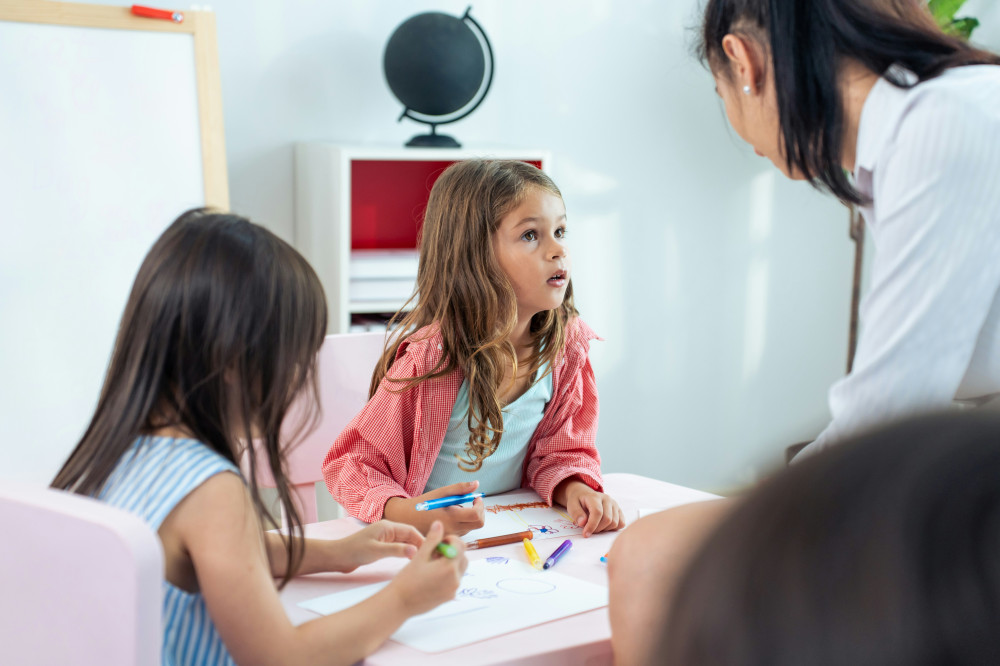
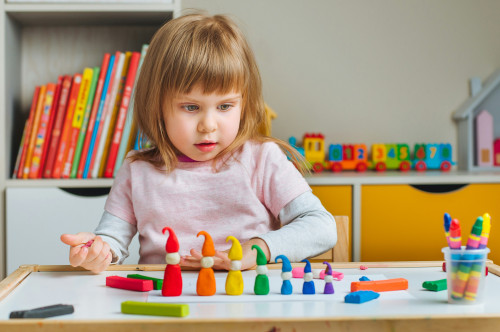
At school or in after-school programs, it can help to start with small, manageable activities where the child can join in without pressure—painting together, playing a simple game, or helping with a group task. The goal is for the child to experience success and feel recognized for their efforts.
Make Room for Feelings
After difficult experiences, children often carry a mix of emotions—sadness, anger, guilt, or shame. If they don’t have a safe space to express these feelings, it can become a barrier to reconnecting with others. Adults can help by naming what they notice: “I can see you get upset when the others play together. Is that how you feel?”
The goal isn’t to take away the hard feelings but to show that they’re okay to have. When children feel understood, it becomes easier for them to be themselves—and to trust others again.
Rebuild Relationships One Step at a Time
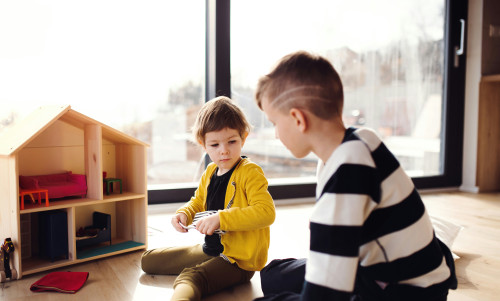
For some children, returning to a large group can feel overwhelming. It can help to start small—perhaps with one trusted friend or a small group activity that feels calm and predictable.
Adults can support this by helping the child identify relationships that feel safe, such as a classmate, cousin, or neighbor. When one connection feels positive, it builds confidence to reach out to others.
Læs også:

Use Community as a Source of Healing
Belonging to a group can be a powerful part of healing. When children feel included and valued, their self-esteem and sense of hope grow stronger. That’s why it’s important to create opportunities where everyone can contribute, regardless of ability or background.
This might mean group projects at school, cooperative games, or creative activities that focus on working together rather than competing. When children help and support one another, a natural sense of connection often follows.
Work Together as Adults
Helping a child reconnect often requires teamwork among the adults in their life—parents, teachers, counselors, and other caregivers. Share observations and strategies so the child experiences consistent support across settings.
If the child has faced a particularly challenging situation, it may also be helpful to involve a mental health professional. Therapists or school counselors can provide tools for both the child and the adults to manage emotions and rebuild trust.
Patience and Hope
Reconnection takes time. There will be days when the child pulls back and others when they take small steps forward. The most important thing is to keep showing that they are welcome and that you believe in their ability to find their place again.
Small moments—a smile, a shared game, a conversation—are signs of progress. With patience, warmth, and steady encouragement, you can help build a bridge back to belonging and give the child confidence that they can be part of a community once more.
Læs også: