Children’s Rights in Focus: The UN Convention on the Rights of the Child Explained for Parents and Caregivers


Children’s Rights in Focus: The UN Convention on the Rights of the Child Explained for Parents and Caregivers
Every child has rights—no matter where they live, who their parents are, or what their circumstances may be. That’s the core idea behind the United Nations Convention on the Rights of the Child (UNCRC), adopted in 1989 and now ratified by nearly every country in the world. The United States has signed the Convention but has not yet ratified it, which means it is not legally binding here. Still, its principles offer valuable guidance for parents, caregivers, educators, and policymakers who want to ensure that children grow up safe, healthy, and respected.
This article explains the key ideas behind the UNCRC and how they can help parents and caregivers in the U.S. support children’s rights in everyday life.
What Is the UN Convention on the Rights of the Child?
The UNCRC is an international agreement that defines how children should be treated and what rights they are entitled to. It contains 54 articles covering everything from the right to education and health care to protection from violence, neglect, and discrimination.
The Convention applies to everyone under the age of 18 and is built on four fundamental principles:
- Non-discrimination – All children have the same rights, regardless of gender, race, religion, disability, or background.
- The best interests of the child – In all decisions affecting children, their best interests must come first.
- The right to life, survival, and development – Every child has the right to grow up in conditions that support their physical, mental, and emotional well-being.
- The right to be heard – Children have the right to express their views on matters that affect them, and adults should take those views seriously.
These principles form the foundation for how societies, institutions, and families can promote children’s well-being and dignity.
Why the Convention Matters
The UNCRC reminds us that children are not just “adults in training” but individuals with their own rights and voices. It challenges governments and communities to protect children from harm, ensure access to education and health care, and create opportunities for participation and growth.
Even though the U.S. has not ratified the Convention, many of its principles are reflected in American laws and policies—such as child protection laws, education rights, and anti-discrimination measures. For parents and caregivers, the UNCRC can serve as a moral compass, helping to keep children’s needs and perspectives at the center of family life.
The Best Interests of the Child—in Practice
“The best interests of the child” is one of the most important and sometimes most complex principles. It means that whenever a decision affects a child—whether in a custody case, a school policy, or a family dispute—the child’s well-being should be the top priority.
For parents, this principle can be a helpful guide in everyday choices. When conflicts arise, ask: What truly serves my child’s best interests—not just today, but in the long run? This approach encourages empathy, patience, and a focus on the child’s overall development.
The Right to Be Heard
Children have the right to express their opinions and to have those opinions considered. Listening to children doesn’t mean always agreeing with them, but it does mean taking their feelings and perspectives seriously.
In practice, this might involve including children in decisions about school, extracurricular activities, or family routines. Parents and caregivers can support this right by creating an environment where children feel safe to speak up—knowing that their voices matter.
Læs også:

Protection from Violence and Abuse
The UNCRC makes it clear that every child has the right to grow up free from violence, abuse, and exploitation. This includes physical, emotional, and sexual abuse, as well as neglect. In the U.S., laws in every state require adults to report suspected child abuse, and agencies are tasked with protecting children from harm.
Parents can reinforce this right by modeling nonviolent conflict resolution, setting clear boundaries, and teaching children that they can always ask for help. A home built on respect and safety helps children develop trust and confidence.
The Right to Play, Learn, and Rest
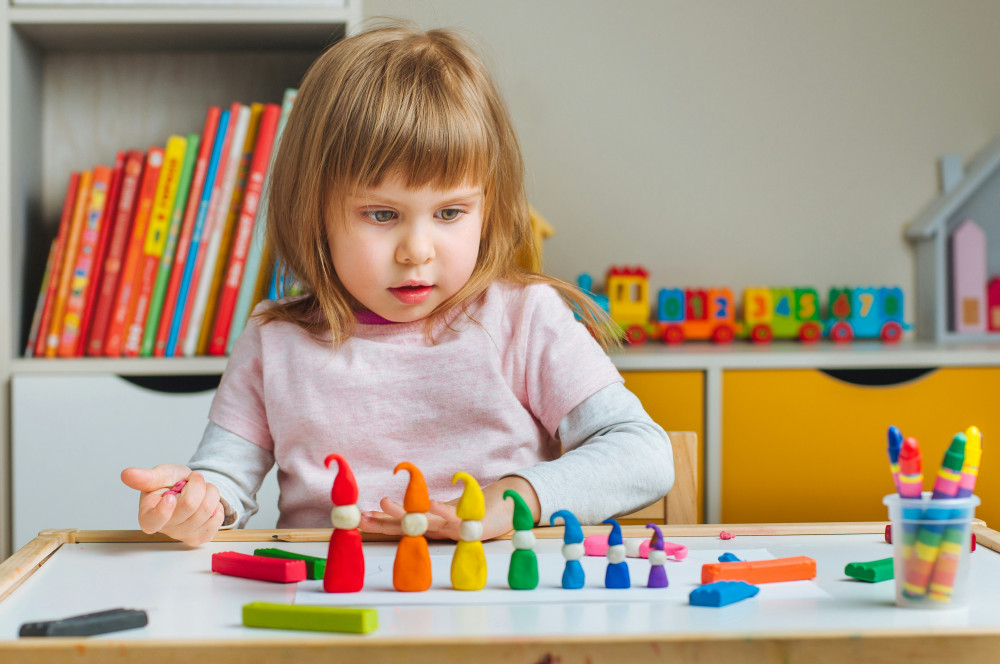
The Convention also recognizes that children have the right to play, rest, and participate in cultural and recreational activities. Play is not just fun—it’s essential for learning, creativity, and emotional growth.
In a culture where children’s schedules can be packed with schoolwork and structured activities, it’s important to make room for unstructured play and downtime. Encouraging curiosity, imagination, and balance helps children thrive.
What Parents and Caregivers Can Do
While the UNCRC primarily holds governments accountable, parents and caregivers play a crucial role in bringing its principles to life. Here are some simple ways to do that:
- Listen actively – Ask your child what they think and feel, and show that their opinions matter.
- Provide safety and stability – Children flourish when they know they are loved and protected.
- Show respect – Speak with your child, not at them. Acknowledge their individuality and dignity.
- Be a role model – Demonstrate kindness, fairness, and empathy in your own actions.
- Keep learning – Explore resources about children’s rights and development to better support your child’s growth.
A Shared Responsibility
Protecting and promoting children’s rights is not just the job of governments—it’s a shared responsibility among families, schools, communities, and society as a whole. When adults work together with children’s best interests in mind, we create a world where every child can reach their full potential.
The UN Convention on the Rights of the Child reminds us that children are not only the future—they are individuals with rights here and now. It’s up to all of us to make sure those rights are respected, protected, and celebrated every day.
Læs også: