See the Strengths: How to Build on the Abilities of Children with Special Needs

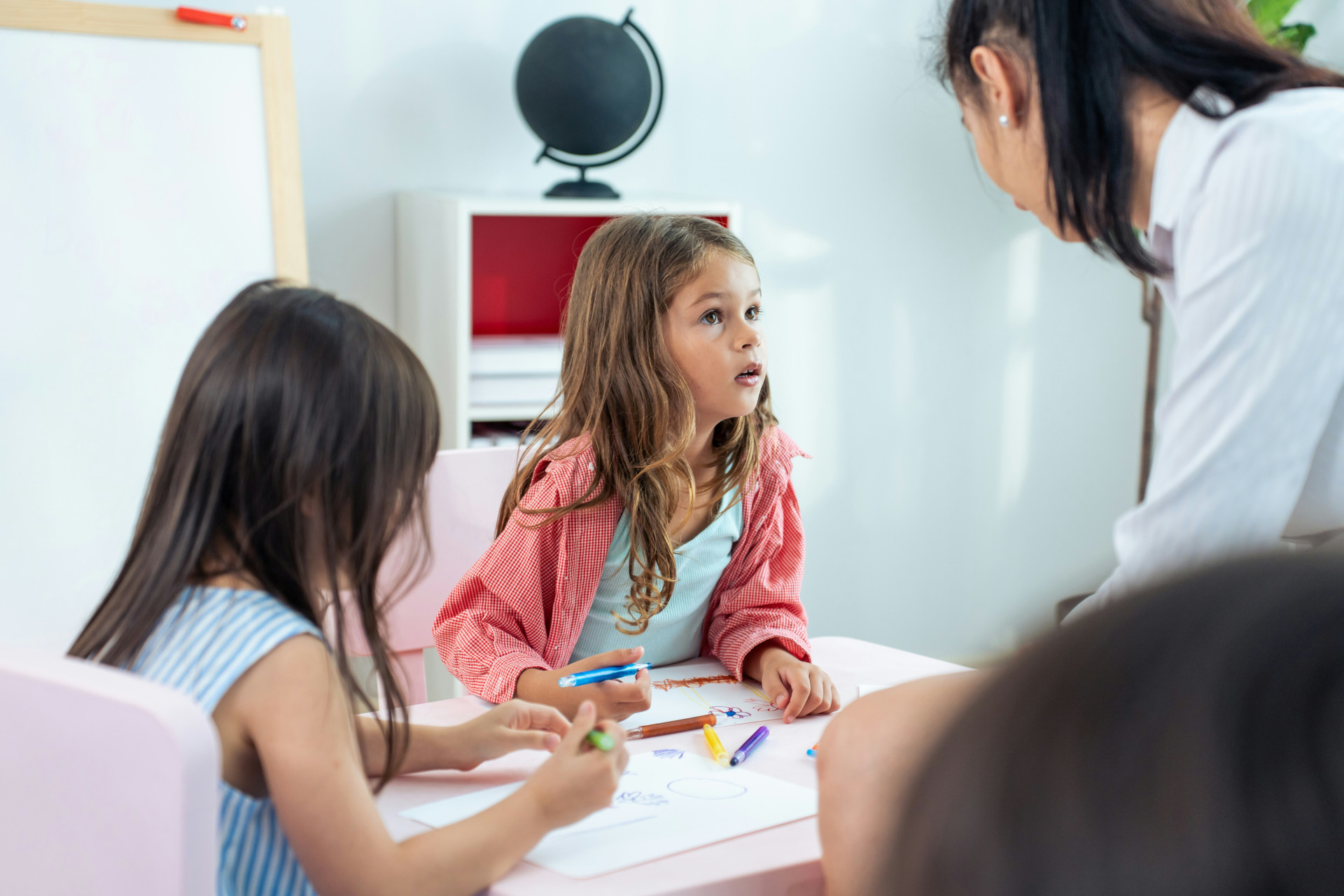
See the Strengths: How to Build on the Abilities of Children with Special Needs
When a child has special needs, daily life as a parent, teacher, or caregiver can feel like a constant balancing act between support, structure, and understanding. Yet within the challenges lies tremendous potential: children with special needs often have unique strengths that can flourish when they are recognized, valued, and nurtured. This article explores how to shift focus from limitations to abilities—and how a strength-based approach can foster growth and confidence.
From Challenges to Resources
It’s easy to focus on what seems difficult. A child may struggle to concentrate, adapt to change, or connect socially. But behind those challenges often lie qualities that can be used constructively.
A child who seems stubborn may also be persistent. A child who asks endless questions may have a deep curiosity. And a child who thrives on routine may have a strong sense of organization. When we look beyond behavior, we begin to see the resources—and that’s where development starts.
Læs også:

Build Safety and Trust as the Foundation
Children with special needs thrive when they feel safe and understood. Safety isn’t just about predictable routines; it’s also about relationships. A child who feels accepted and supported is more likely to show their true self—and their strengths.
- Be predictable: Explain what’s coming next and keep routines consistent.
- Show patience: Strong reactions often come from uncertainty or frustration.
- Listen actively: Give the child time to express themselves, even when words are hard to find.
When a child feels seen as more than their diagnosis or difficulty, trust grows—and so does learning.
Use Strengths in Everyday Life
A strength-based approach doesn’t ignore challenges; it uses the child’s abilities as a starting point for growth. This can take many forms:
- Find what motivates them: Some children learn best through movement, others through visuals, music, or hands-on activities.
- Give small responsibilities: A child who loves order might help organize classroom materials or plan the day’s schedule.
- Celebrate progress: Recognizing small successes builds confidence and motivation.
When children experience that they can contribute, their self-esteem and willingness to learn increase.
Collaboration Between Home and Professionals
Parents, teachers, and specialists each see the child from different perspectives—and that’s why collaboration is essential. Share observations, experiences, and ideas so that support remains consistent across settings.
Good collaboration is built on mutual respect. Parents know their child best, while professionals bring expertise and strategies. When these perspectives meet, it becomes easier to find practical solutions that truly help the child thrive.
Center the Child’s Own Voice
Even young children can express what helps them feel comfortable and capable. Ask questions like, “When do you feel happiest at school?” or “What helps you when you’re upset?” Their answers can offer valuable insight into how to tailor support and structure.
Including the child in decisions fosters ownership and self-advocacy. It’s a vital part of building on strengths—because real growth happens when children feel heard and empowered.
When Everyday Life Feels Hard
There will be days when everything feels overwhelming—when the child’s reactions are intense and patience runs thin. It’s important to remember that progress rarely happens in a straight line. Supporting a child with special needs requires persistence, flexibility, and self-care.
Reach out for support when you need it—from professionals, community groups, or parent networks. Sharing experiences with others in similar situations can bring both perspective and renewed energy.
See the Strengths—and Build Forward
Seeing the strengths in a child with special needs isn’t about ignoring difficulties; it’s about creating balance. When we view the child as a whole person—with both vulnerabilities and potential—we open the door to growth, well-being, and joy.
It takes time, teamwork, and a steady belief that every child can flourish when met with understanding and respect. In the end, it’s not the diagnosis that defines the child—but the opportunities we create for them to use their strengths.
Læs også: