Creative Grief Processing: When Play and Drawing Become a Child’s Language


Creative Grief Processing: When Play and Drawing Become a Child’s Language
When a child loses someone close, words often fall short. Grief, confusion, anger, and longing can feel overwhelming—and children rarely express these emotions the same way adults do. Instead of talking, they may turn to play, drawing, or other creative activities to make sense of what has happened. Through creativity, children can process their feelings, find comfort, and begin to rebuild a sense of safety and meaning.
When Words Aren’t Enough
Children experience grief differently from adults. They may move quickly between sadness and play, or seem unaffected one moment and deeply upset the next. Their understanding of death also changes with age, and many simply don’t have the vocabulary to describe what they feel.
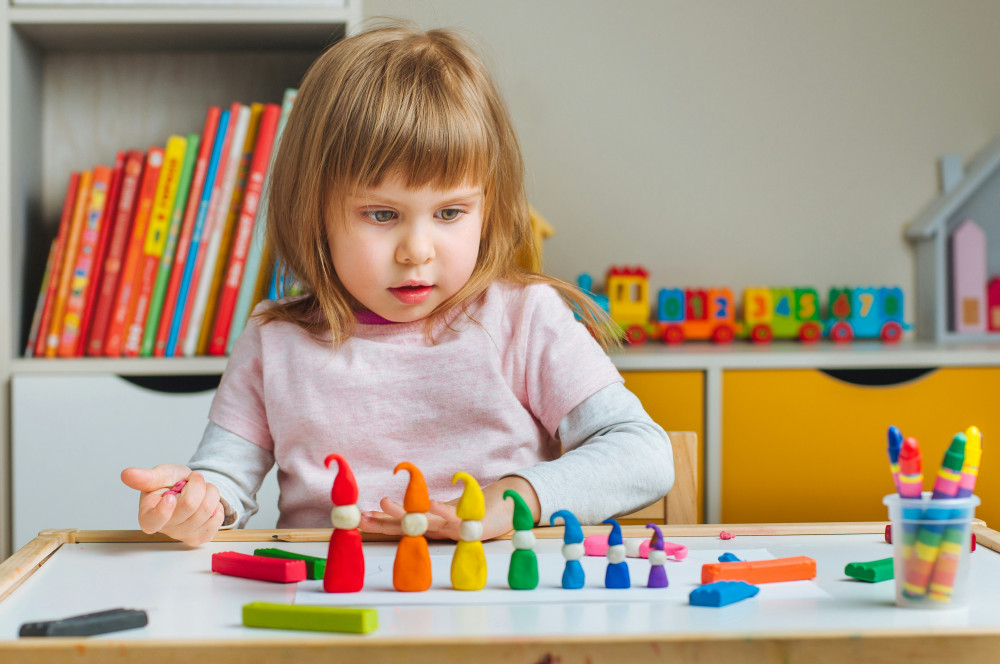
That’s where creative expression becomes essential. Drawing, building with blocks, pretend play, or making music can give children a safe way to show what’s happening inside. A picture of a broken heart, a game where a toy disappears, or a story about a lost friend can reveal emotions that are hard to say out loud. The goal isn’t to interpret or correct, but to listen—to be present with what the child is expressing.
Play as a Healing Process
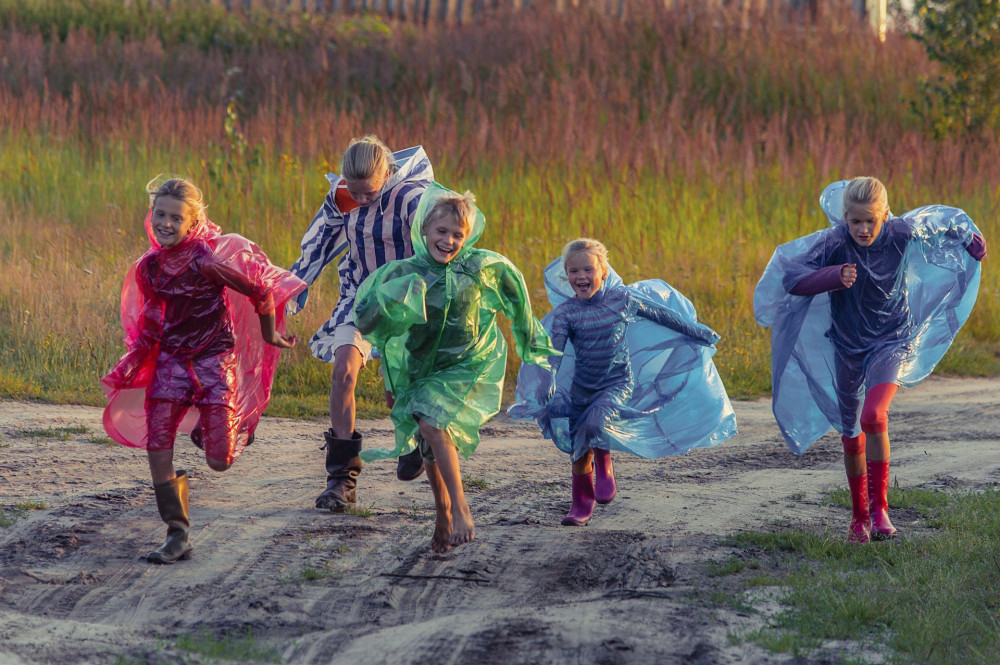
Play is a child’s natural language. Through play, children explore the world, test boundaries, and make sense of experiences that might otherwise feel chaotic. In grief, play can become a powerful tool for healing.
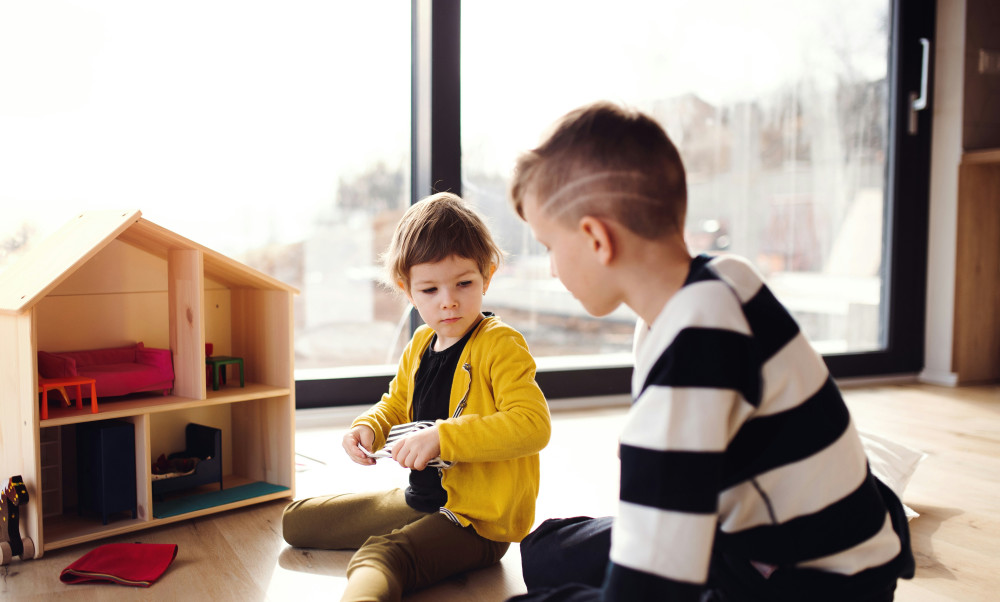
Parents, teachers, or caregivers can support this process by joining the play without taking control. If a child stages a “funeral” for stuffed animals, for example, it may be their way of understanding death. The adult can gently ask open-ended questions like, “What happens next?” or “How does the bear feel?”—helping the child put words to emotions when they’re ready.
Drawing as a Window to Feelings
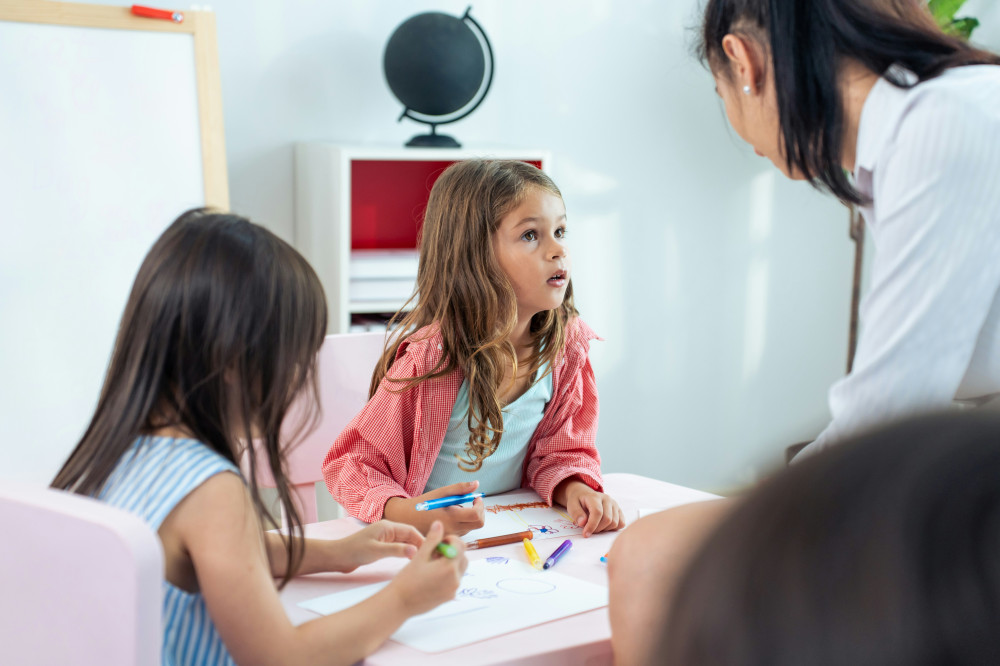
Drawing is one of the most accessible ways for children to express grief. Colors, shapes, and symbols can reveal what words cannot. Some children draw the person they’ve lost; others draw places or moments that bring comfort. What matters most isn’t the artistic quality, but the meaning behind the image.
Adults can invite conversation by asking, “Would you like to tell me about your drawing?” This simple question opens a door without pressure, allowing the child to share at their own pace.
Creating Safe Spaces for Expression
For creativity to help a child heal, they must feel safe. That means allowing space for silence, laughter, and tears alike. At home, families can set up a small “creative corner” with art supplies, clay, or building materials where the child can create whenever they need to. In schools or community programs, similar spaces can offer children a sense of stability and choice.
It’s also important for adults to show that all feelings are valid. Grief can appear as anger, restlessness, or withdrawal—each a natural part of the process. By acknowledging these emotions without judgment, adults help children learn that it’s okay to feel deeply and that they don’t have to hide their pain.
When Creativity Becomes a Bridge
Creative activities can serve as a bridge between a child’s inner world and the adult’s understanding. When a child shares a drawing or describes a game, they’re offering a glimpse into their emotional landscape. This can open opportunities for gentle conversation, reassurance, and connection.
Families might also create shared rituals—making a memory box, planting a tree, or painting a rock in honor of the person who died. These tangible acts help children maintain a sense of connection while learning that memories can hold both sadness and love.
Læs også:

Professional Support and Creative Therapies
Sometimes, professional help can make a difference. Many child therapists and grief counselors in the U.S. use creative approaches such as art therapy, music therapy, or sand tray therapy. These methods allow children to express themselves symbolically in a safe, guided environment. Parents can also receive guidance on how to support their child’s emotional needs at home and in daily life.
A Language Beyond Words
Creative grief processing is, at its heart, about giving children a language when words fail. Through play, drawing, and imagination, they can explore their feelings, find meaning, and begin to heal. It’s not a quick fix, but a journey—one that teaches children that grief can coexist with joy, and that love doesn’t end when someone is gone.
When adults are willing to meet children in their creative expressions—with patience, curiosity, and compassion—they show that the child is not alone. And in that shared space of imagination and understanding, healing quietly begins.
Læs også: