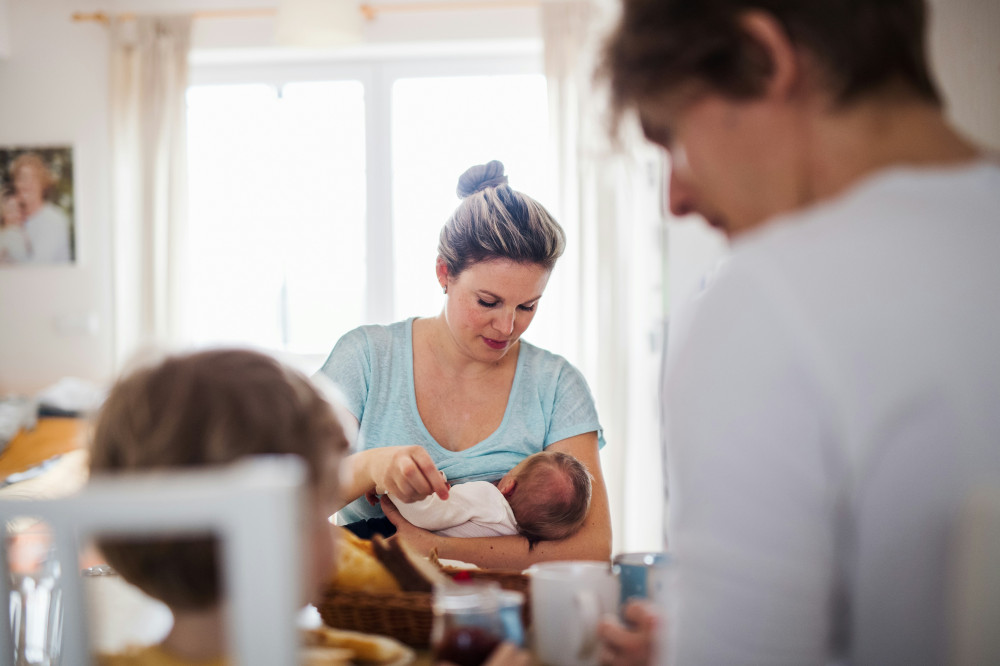
Time for Yourself – Without the Guilt


Time for Yourself – Without the Guilt
In a world that never seems to slow down, finding time for yourself can feel like an impossible luxury. Between work, family, and the constant buzz of notifications, it’s easy to believe that self-care is something you’ll get to “someday.” But taking time for yourself isn’t selfish—it’s essential. It’s what allows you to show up fully for your life and the people you care about. Here’s how to make space for yourself—and do it without the guilt.
Why “Me Time” Is a Necessity, Not a Luxury
Many Americans wear busyness like a badge of honor. We fill our calendars, multitask through meals, and measure our worth by productivity. But research consistently shows that rest and personal time improve focus, creativity, and emotional well-being. When you take time to recharge, you’re not taking away from your responsibilities—you’re strengthening your ability to handle them.
“Me time” doesn’t have to mean a weekend getaway or a spa day (though those are nice). It can be as simple as a quiet morning coffee before the house wakes up, a walk around the block after dinner, or ten minutes of deep breathing between meetings. The key is to pause and reconnect with yourself.
Let Go of the Guilt
Guilt is often the biggest obstacle to self-care. Many people—especially parents and caregivers—feel they should always be available to others. But constantly putting yourself last doesn’t make you a better partner, parent, or friend. It makes you exhausted.
Try reframing the idea: when you take care of yourself, you’re modeling healthy boundaries and balance for those around you. You’re showing your children, coworkers, and loved ones that it’s okay to rest and recharge. Saying no, taking a break, or doing something just for you isn’t neglect—it’s self-respect.
Discover What Recharges You
Personal time looks different for everyone. What matters is that it genuinely restores you—not what you think you “should” be doing. Ask yourself: what activities make you feel calm, energized, or inspired?
- Movement: A jog, yoga session, or dance class can help you release tension and reconnect with your body.
- Creativity: Painting, gardening, cooking, or writing can bring joy and a sense of flow.
- Quiet: Sometimes, the best thing you can do is sit in silence—no screens, no to-do lists.
- Connection: For some, “me time” means being with people who uplift and energize them.
Make a list of what truly nourishes you, and treat those moments as non-negotiable appointments with yourself.
Make Space in Your Schedule
Time for yourself rarely appears on its own—you have to claim it. Try scheduling it into your calendar the same way you would a meeting or a doctor’s appointment. Start small: even 15 minutes a day can make a difference.
Communicate with your partner, family, or coworkers about why this time matters. Most people will understand when you explain that it helps you show up with more patience and positivity. Look for tasks you can delegate or simplify to free up mental and physical space.
Learn to Be Still
When you finally carve out time for yourself, it might feel uncomfortable at first. You may feel restless or tempted to fill the silence with chores or scrolling. But self-time isn’t about being productive—it’s about being present. Allow yourself to slow down, even if it feels strange. That’s where you reconnect with what you truly need.
Being comfortable in your own company is a powerful form of self-care. It strengthens your mental health, reduces stress, and helps you return to your daily life with renewed energy and clarity.
Læs også:



Time for Yourself Is Time for Life
When you start prioritizing yourself, you’ll notice that it doesn’t take away from others—it enhances everything. You become more patient, more focused, and more joyful. Taking time for yourself isn’t about escaping your life; it’s about enriching it.
So the next time guilt whispers that you don’t have time to rest, remind yourself: you deserve to feel good. And when you do, everyone around you benefits too.
Læs også: