Equality at Kids’ Level: How to Talk Naturally with Your Children About Mutual Respect
Equality at Kids’ Level: How to Talk Naturally with Your Children About Mutual Respect
Equality isn’t just a topic for lawmakers or workplaces—it starts at home, in the everyday moments and the way we talk to and treat our children. When kids learn early that everyone deserves the same respect, no matter their gender, background, or interests, they build a foundation for empathy, confidence, and fairness. But how do you talk about equality with your children in a way that feels natural, not like a lecture? Here are some ideas for weaving mutual respect into daily life.
Begin with Everyday Life—Not Big Speeches
Children learn most from what they see, not what they’re told. So instead of giving long talks about gender roles or fairness, show equality in action.
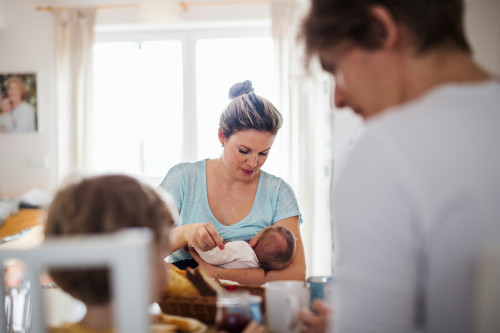
Let your kids see that both parents cook dinner, fix things around the house, or comfort someone who’s upset. When chores and responsibilities are shared naturally, children learn that roles aren’t tied to gender—they’re about interest and ability.
You can also use small, everyday moments to start conversations. If your child says, “Boys don’t wear pink,” ask, “Why do you think that?” and talk about how colors don’t belong to any one group. The goal isn’t to correct your child but to encourage curiosity and reflection.
Use Books, Shows, and Play as Mirrors
The stories children see and hear shape how they understand the world. Take a look at the books, TV shows, and games that fill your home. Who are the heroes? Who takes care of others? Who gets to be brave or creative?
Choose stories that show a variety of role models—girls who build robots, boys who care for animals, and kids of all backgrounds working together. When children see diversity in action, they expand their sense of what’s possible for themselves and others.
Playtime is another great opportunity. If your kids are playing “house,” try switching roles now and then. Maybe Dad stays home with the baby, or Mom goes to work. It can spark laughter—and meaningful conversations about how everyone can nurture, lead, and contribute.
Talk About Feelings—and Make Room for All of Them
Equality also means giving both boys and girls permission to express the full range of emotions. Many boys are told to “be tough” and not cry, while girls are often encouraged to be kind and accommodating.
As a parent, you can help by validating all emotions—anger, sadness, joy, fear—no matter who expresses them. When children learn that it’s okay to feel and show emotions, they also learn to understand and respect others’ feelings.
Læs også:
Be Aware of Your Own Habits and Words
Even the most well-intentioned parents can send subtle messages without realizing it. Maybe you tell your daughter she looks pretty and your son that he’s strong. Try mixing it up—praise courage, creativity, kindness, and curiosity in both.
It’s not about being perfect; it’s about being mindful. Small changes in language can have a big impact on how children see themselves and others.
Make Space for Questions—Even the Hard Ones
Kids are naturally curious, and their questions can be surprisingly deep: “Why are there more men than women in that movie?” or “Why do some people get paid less?” Instead of brushing these off, use them as openings to talk about fairness and how the world isn’t always equal—but that we can work to make it better.
You don’t need to have all the answers. What matters most is showing that it’s okay to wonder, to ask, and to talk openly about differences and injustice.
Equality as a Natural Part of Parenting
Talking with children about equality is really about giving them the tools to treat others with respect—and to believe that they, too, deserve respect for who they are. When equality becomes a natural part of parenting, we raise not only more confident and compassionate kids but also a more inclusive society.
It all starts small: in the way we talk, share responsibilities, listen, and show respect. And it’s in those small, everyday moments that the biggest changes begin.
Læs også: