Stronger Together: Group Work as a Path to Collaboration Skills and Learning

Stronger Together: Group Work as a Path to Collaboration Skills and Learning
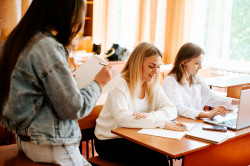
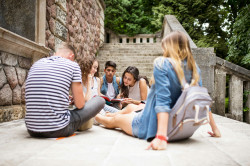
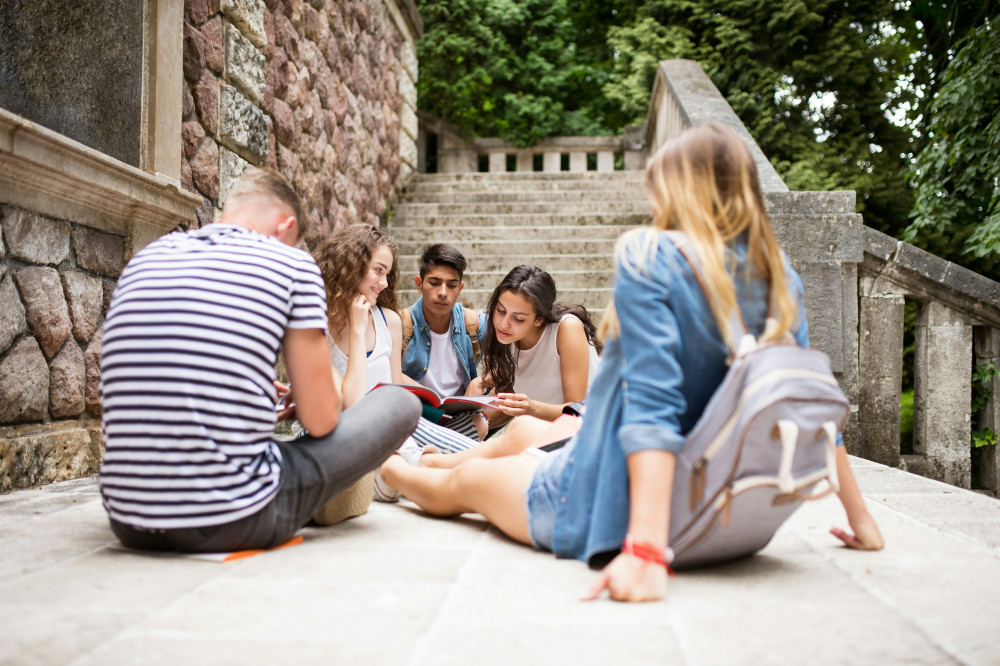
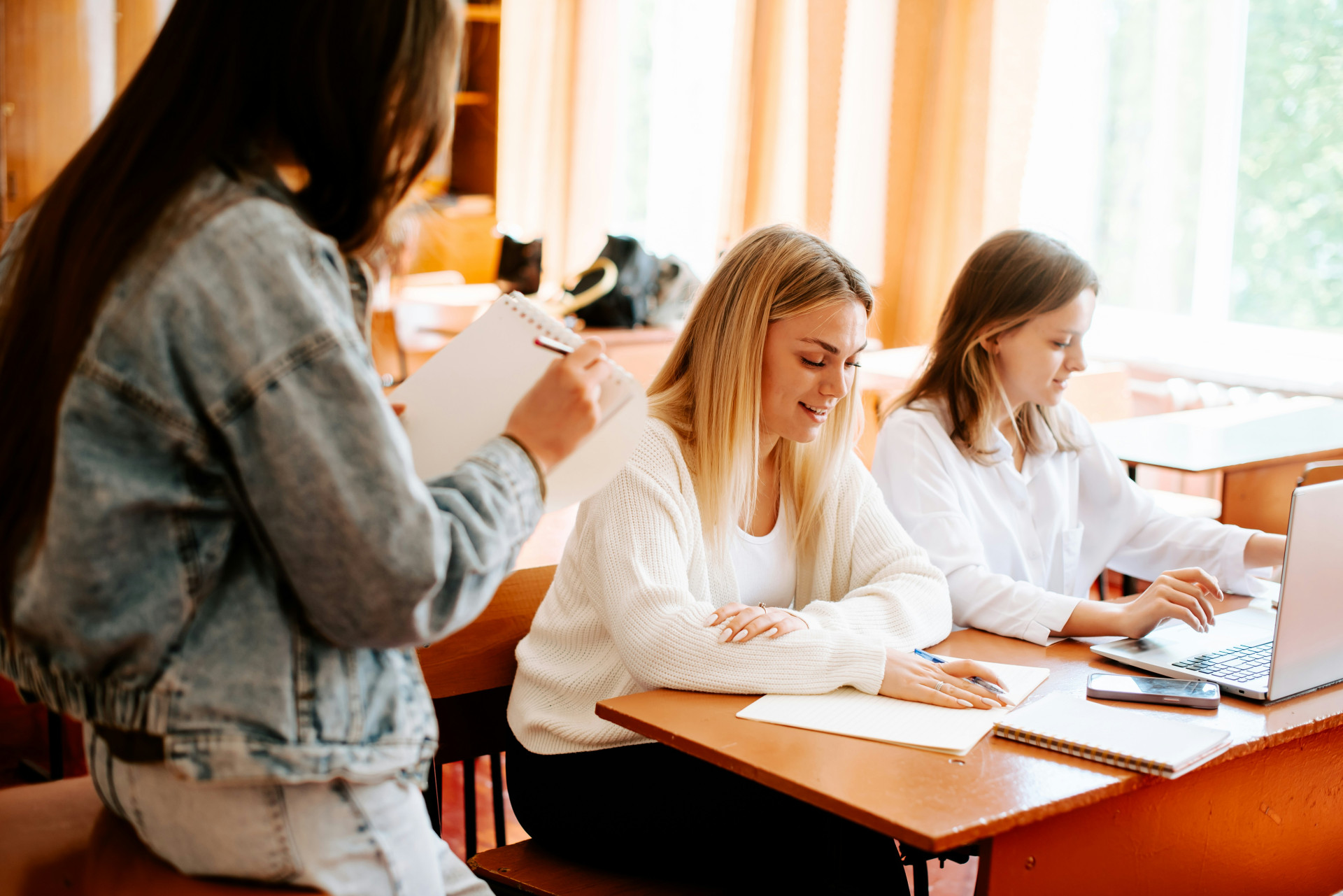
Group work has long been a cornerstone of education in the United States—from elementary classrooms to college campuses. When students work together, they don’t just learn academic content; they also learn how to listen, negotiate, take responsibility, and solve problems collectively. These are skills that extend far beyond the classroom and are increasingly essential in a world where teamwork and communication drive success.
But what exactly makes group work so valuable? And how can teachers and students make the most of it?
Collaboration as a Way of Learning
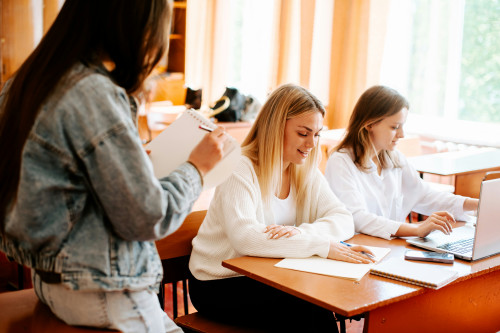
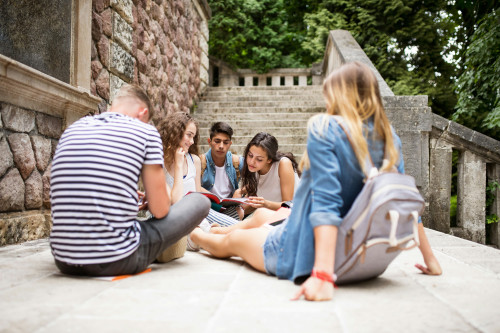
Group work is more than just dividing tasks among students. It’s a learning process in which knowledge is built together. When students discuss, explain, and challenge each other’s ideas, their understanding deepens.
Research in educational psychology shows that students who learn collaboratively often retain information longer and develop a more nuanced grasp of the subject. They also learn to see issues from multiple perspectives—an ability that strengthens both empathy and critical thinking.
Building Social and Emotional Skills
Successful group work requires more than academic ability. It calls for patience, respect, and clear communication. When students must agree on a solution, assign roles, or handle disagreements, they practice social and emotional skills that are vital in both school and professional life.
They learn to take responsibility for the group’s success, to give and receive feedback, and to find compromises. These are experiences that can’t be learned from textbooks alone—they must be lived and practiced.
The Teacher as Facilitator
For group work to be effective, it needs structure and guidance. The teacher’s role is crucial—not as the one who provides all the answers, but as a facilitator who helps students find them on their own.
Some helpful strategies include:
- Setting clear goals for what the group should achieve.
- Assigning roles such as discussion leader, note-taker, or idea generator to ensure everyone contributes.
- Encouraging reflection by having students evaluate their collaboration afterward.
When students see that their efforts make a difference, motivation grows—and the group becomes a safe and dynamic space for learning.
Turning Challenges into Learning Opportunities
Group work isn’t always easy. Some students may feel they’re doing most of the work, while others withdraw. Disagreements can arise, and communication can break down.
Yet these challenges are part of the learning process. Managing conflict, taking initiative, and finding common ground are skills developed through experience. Teachers can support this by addressing collaboration challenges openly and providing tools for resolution—such as short reflection exercises or peer feedback sessions.
Læs også:
From Classroom to Career
The ability to collaborate is one of the most sought-after skills in today’s job market. In nearly every field—from technology and healthcare to business and the arts—success depends on teamwork, shared knowledge, and collective problem-solving.
When students learn to collaborate in school, they gain a head start. They become better communicators, more responsible team members, and more creative thinkers. Group work, therefore, is not just a method for completing assignments—it’s training for participating in a community where everyone contributes to a shared goal.
Creating More Together
Group work can be challenging, but it’s also one of the most rewarding ways to learn. When students experience that their ideas matter and that together they can create something none of them could have achieved alone, a special kind of learning takes place—one built on trust, dialogue, and shared responsibility.
In the end, it’s not only about mastering a subject. It’s about becoming better at working together—and that’s a skill that lasts a lifetime.
Læs også: