Meaningful Recess: How to Help Children Use Their Breaks Actively and Joyfully


Meaningful Recess: How to Help Children Use Their Breaks Actively and Joyfully
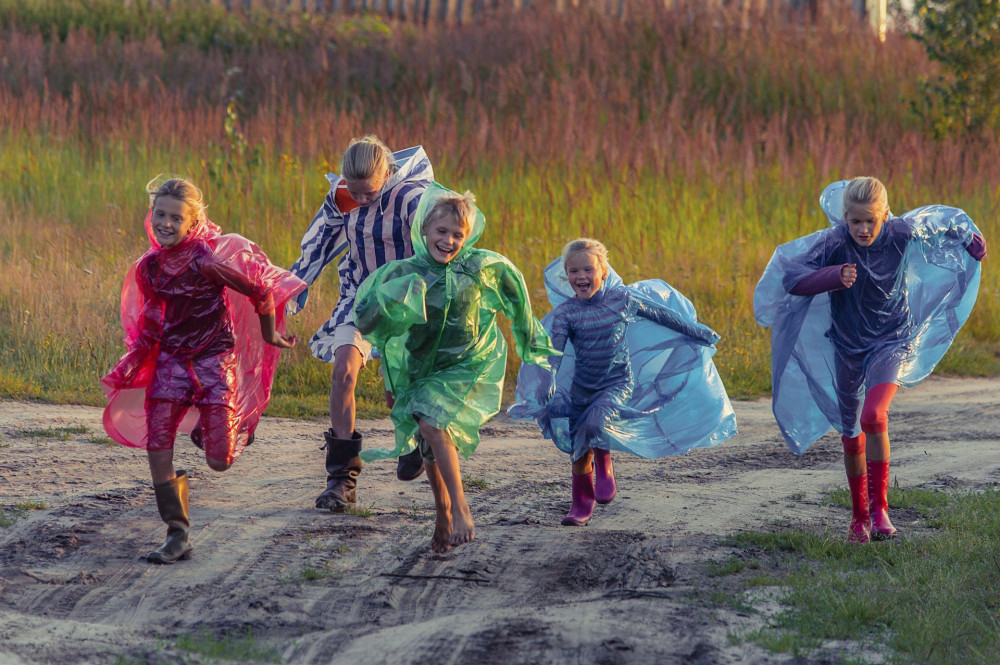
For children, recess is more than just a break between lessons—it’s a vital space for play, movement, friendship, and growth. It gives kids a chance to recharge, use their bodies, and strengthen social connections. Yet not every child thrives during recess. Some feel left out, while others struggle to find something to do. As a parent, teacher, or school staff member, you can play an important role in helping children use their breaks actively and with joy.
Why Recess Matters So Much
Recess is a key part of the school day. It allows children to rest their minds, get fresh air, and move their bodies—all of which improve focus and learning afterward. It’s also a social laboratory where kids practice cooperation, negotiation, and empathy.
Research in the U.S. shows that children who are physically active and socially included during recess tend to do better in school and feel happier overall. On the other hand, children who often spend recess alone may experience lower self-esteem and less motivation to attend school. That’s why it’s essential to create environments where every child can find meaning and belonging during their breaks.
Create Spaces for Play and Movement
An active recess doesn’t require expensive equipment or elaborate playgrounds. It’s about giving children opportunities to move and use their imagination.
- Make room for movement: Ensure that the playground or schoolyard has open areas where kids can run, jump, and play ball games.
- Offer simple materials: Balls, jump ropes, chalk, and cones can be used in countless ways and inspire spontaneous play.
- Design zones for different needs: Some children want to be active, while others prefer calm. A corner with benches, board games, or creative activities can provide variety.
When children can choose from different types of activities, they’re more likely to find something that excites them.
Support Social Connections
For many children, recess is as much a social space as a physical one. It’s where friendships form—but also where conflicts can arise. Adults can help by being present and attentive to group dynamics.
- Be visible on the playground: Children feel safer when adults are nearby and can step in if someone is being excluded.
- Encourage inclusive games: Introduce activities that everyone can join, regardless of skill level.
- Talk about community: Use class discussions to explore how students can invite others to play and look out for one another during recess.
Small efforts can make a big difference for children who might otherwise struggle to find their place.
Læs også:



Help Children Find Inspiration
Some kids need a little help getting started. It can be hard to come up with ideas, especially for those who don’t have a regular playgroup. Adults can support them by offering suggestions and structure.
Create a “play idea board” with a list of activities children can choose from—everything from classic games like tag or four square to creative challenges like building with natural materials or inventing new games. Schools can also establish student play leaders—older students who help younger ones start games and build friendships.
Make Room for Quiet Breaks
While movement is important, some children need calm during recess. They may feel overwhelmed by noise or simply prefer smaller groups. A quiet area with space to draw, read, or chat can be a great help.
The goal isn’t to push every child to be active all the time, but to give them the freedom to choose what brings them energy and joy.
Partnering Between School and Home
Parents and schools can work together to help children get the most out of recess. Talk with your child about how recess feels—fun, boring, stressful, or safe? If your child often spends recess alone, reach out to the teacher or counselor. Together, you can find ways to support your child, such as introducing new games or connecting them with peers.
When adults show interest in children’s breaks, it sends a message that recess matters—not just as downtime, but as an important part of learning and well-being.
A Recess with Meaning
A meaningful recess isn’t just about passing the time—it’s about giving children the chance to express themselves, find joy, and strengthen their social skills. When we, as adults, help create spaces where every child can belong—both the quiet and the energetic—recess becomes more than a break. It becomes a place where children grow, connect, and thrive.
Læs også: