Is Your Stroller Safe? Check the Most Important Safety Features Before Use

Is Your Stroller Safe? Check the Most Important Safety Features Before Use
A stroller is one of the biggest purchases new parents make, and it’s more than just a convenient way to get around — it’s a piece of baby gear that needs to be safe and reliable. Because strollers are used daily and often for long periods, it’s essential to know what safety features to look for before you put your baby inside. Here’s a guide to the most important things to check so you can stroll with confidence.
Stability and Brakes – The Foundation of Safety
A stable stroller is key to preventing accidents. It should stay upright even when you hang a diaper bag or shopping bag on the handle. Test the stability by gently pressing down on the handle — the stroller shouldn’t tip backward.
Brakes should be easy to engage and hold the stroller firmly in place, even on a slope. Try pushing the stroller after locking the brakes to make sure it doesn’t roll. Many modern strollers have brakes on both rear wheels or a single linked brake bar for added security.
Harness and Seat – Keeping Your Baby Secure
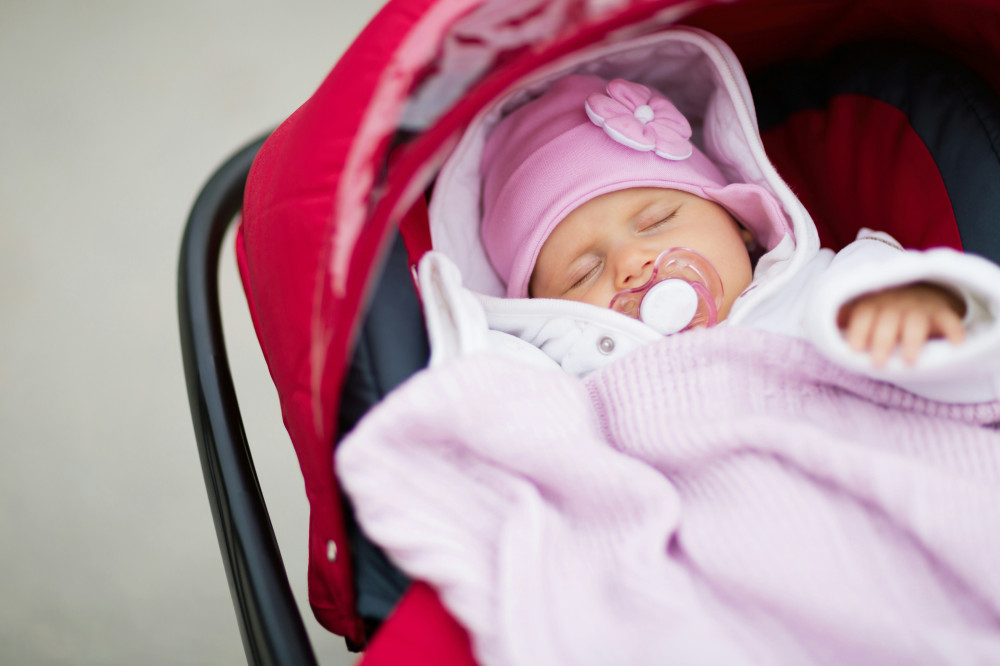
Even young babies can move or squirm unexpectedly, so a good harness is essential. A five-point harness — securing your child at the shoulders, hips, and between the legs — offers the best protection against slipping or falling out.
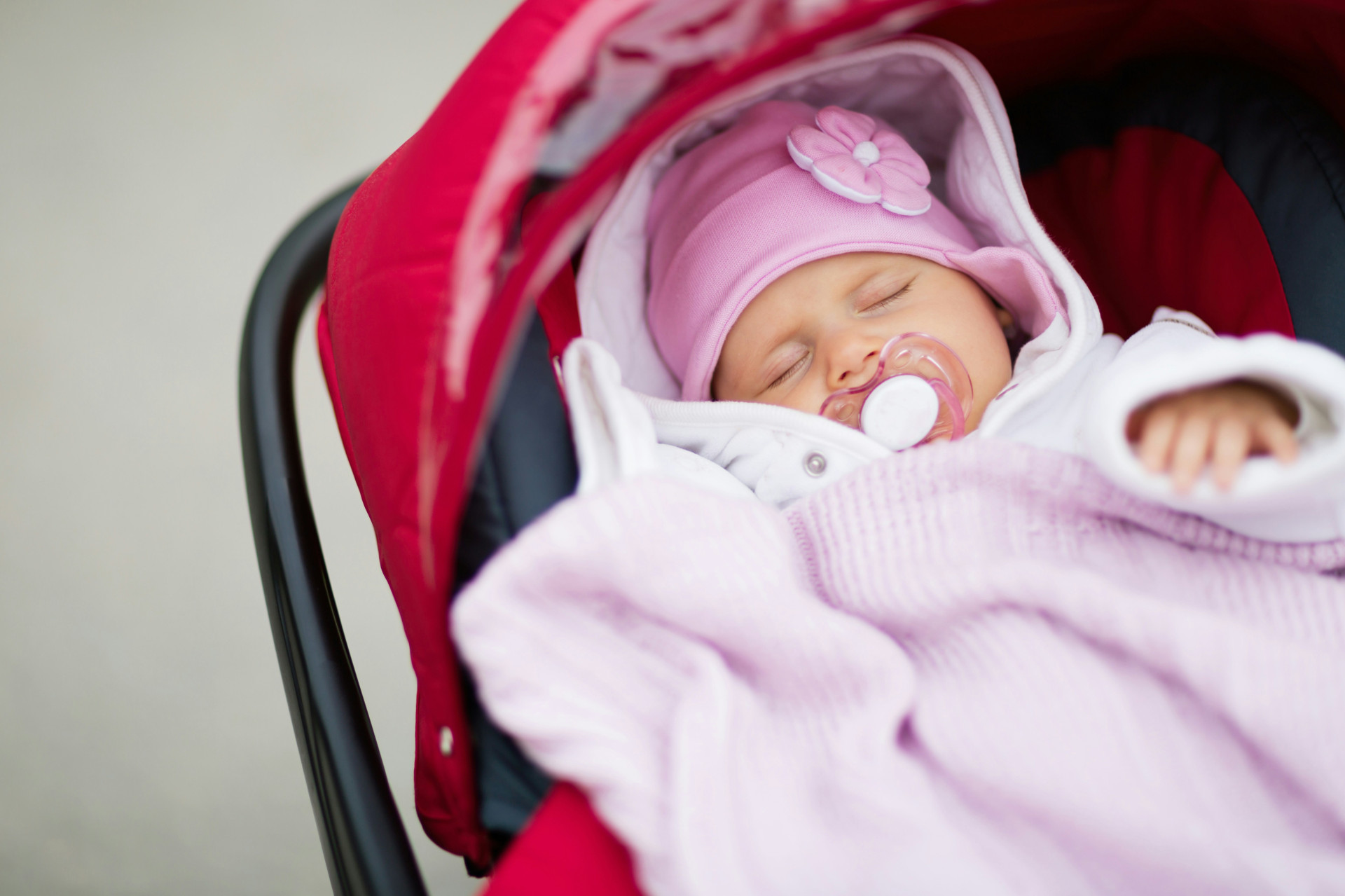
The seat or bassinet should be firm and flat to support your baby’s back properly. Avoid overly soft padding, which can increase the risk of overheating or suffocation. Make sure the sides are high enough to prevent rolling out but still allow for good airflow.
Wheels and Suspension – Smooth and Safe Rides
Wheels should be firmly attached and roll smoothly. Loose or wobbly wheels can make the stroller unstable and hard to steer. If your stroller has swivel front wheels, check that they can be locked for better control on uneven ground.
A good suspension system helps absorb bumps from sidewalks and curbs, protecting both your baby and the stroller’s frame from wear and tear. The ride should feel steady, not bouncy.
Materials and Chemicals – Safety You Can’t See
Your baby will spend a lot of time in the stroller, so materials should be free from harmful chemicals. Look for strollers that meet ASTM International or JPMA (Juvenile Products Manufacturers Association) safety standards — these indicate compliance with U.S. safety regulations.
Avoid strollers with a strong chemical or plastic smell, which can signal unwanted substances. Wash removable fabrics before first use and let the stroller air out to remove any manufacturing residues.
Folding and Locking Mechanisms – Prevent Pinched Fingers
Many stroller injuries happen when folding or unfolding. The locking mechanism should be easy for adults to use but secure enough to prevent accidental collapse. Check that there are no open hinges or gaps where fingers could get caught.
If your stroller converts between different modes — such as from a bassinet to a toddler seat — practice switching between them before your first outing. This helps you understand how the mechanism works and ensures it locks properly.
Visibility and Reflectors – Safety After Dark
If you’ll be walking at dusk or in low light, visibility is crucial. Many strollers come with built-in reflectors, but it’s smart to add extra reflective tape or clip-on lights, especially on the sides and back. A small LED light on the handlebar can also make you more visible to drivers and cyclists.
Being seen isn’t just about traffic — it also helps other pedestrians notice you in time to avoid collisions.
Læs også:

Regular Maintenance – Safety Is Ongoing
Even the best stroller needs regular upkeep. Check that screws and bolts are tight, wheels spin freely, and brakes work properly. If you hear squeaks or feel looseness, fix it right away.
Clean fabrics as needed and wipe down the frame to remove dirt or road salt, especially in winter. Proper maintenance extends the stroller’s life and keeps it safe for everyday use.
A Confident Start to Life on Wheels
A stroller should give both parents and babies peace of mind. When you know it’s safe, you can focus on what really matters — enjoying your time together. Take a few minutes to review these safety features before your first stroll, and you’ll be ready to roll out with confidence.
Læs også: