Car Seat and Vehicle in Perfect Match: How to Assess the Fit

Car Seat and Vehicle in Perfect Match: How to Assess the Fit
When choosing a car seat for your child, it’s not just about brand, price, or style—it’s about fit. A car seat that fits your vehicle properly is essential for both safety and comfort. But how can you tell if a seat and a car are a good match? Here’s a guide to what you should look for and how to test the fit before you buy.
Why Fit Matters So Much
Even the safest car seat can lose its protective power if it doesn’t fit your vehicle correctly. A poor fit can cause the seat to wobble, tilt too far back or forward, or position the harness incorrectly on your child’s body. In a crash, that can make a critical difference.
Think of the car seat and the vehicle as one safety system. What fits perfectly in one model may not work at all in another.
Start with Your Vehicle’s Details
Before you start shopping, get to know your car’s specifications. Check your owner’s manual for information about:
- LATCH anchors – Most newer vehicles have them, but their placement and depth can vary.
- Seat shape and angle – Some back seats are more sloped, which can affect the recline of the car seat.
- Available space – Especially important if you have multiple children or a smaller vehicle.
- Airbags – If you plan to install a seat in the front, make sure the passenger airbag can be turned off.
These details will help you narrow down your options and avoid seats that simply won’t fit your car.
Læs også:


Test the Seat in Your Car—Before You Buy
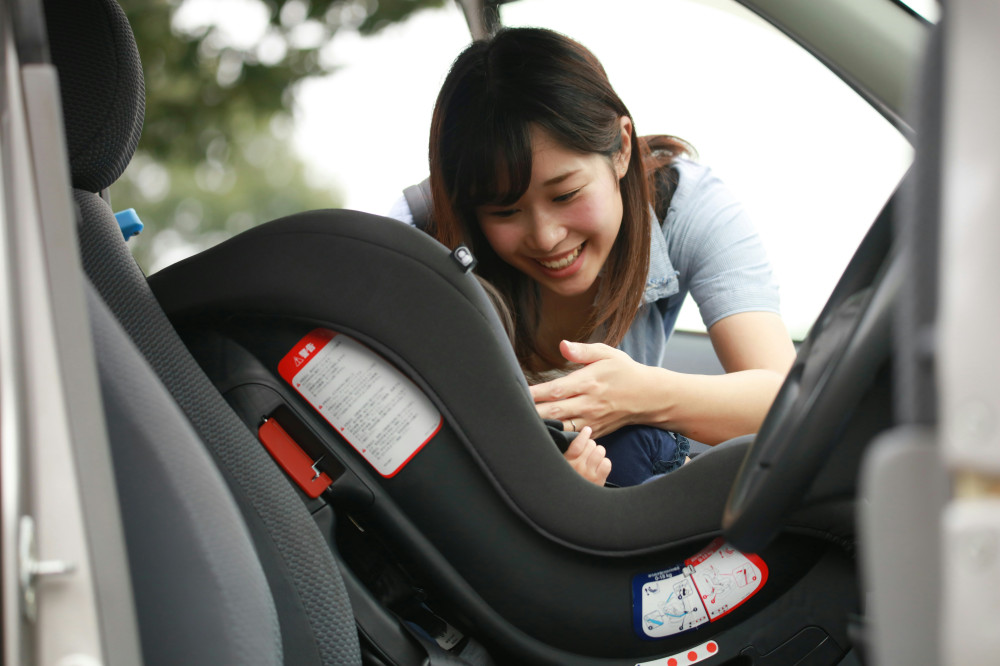
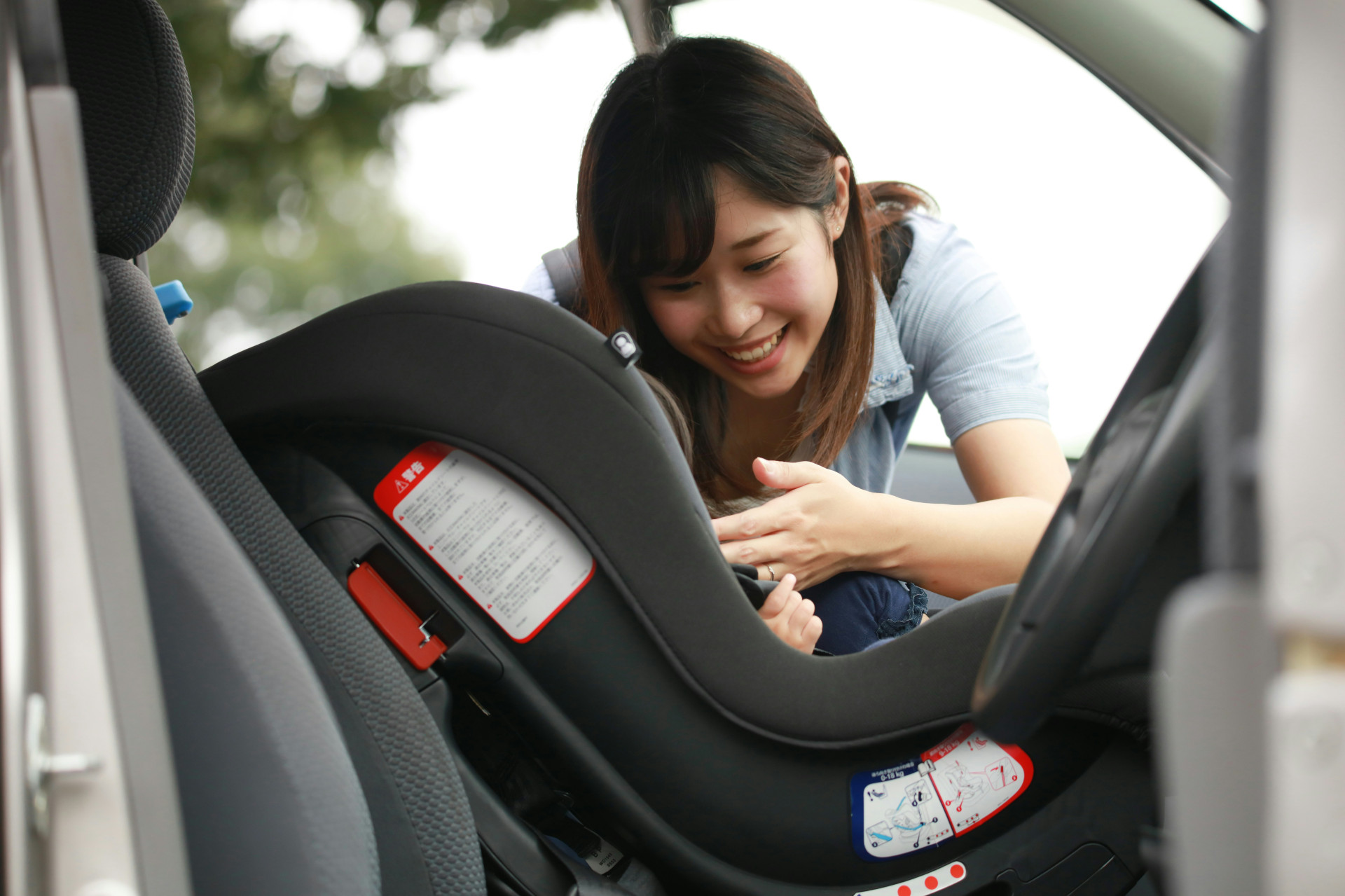
The best way to assess fit is to try the seat in your vehicle. Many retailers and local safety inspection stations allow you to test different models before making a decision. Here’s what to check:
- Stability: The seat should not move more than an inch side-to-side or front-to-back when you push on it.
- Angle: Your child’s head should not slump forward when sleeping—especially important for infants.
- Installation method: Whether using LATCH or the seat belt, make sure the attachment is tight and properly routed.
- Space: Ensure there’s enough legroom and that the seat doesn’t press against the front seat.
- Ease of use: Check that you can easily buckle and unbuckle your child without awkward twisting.
A seat that’s difficult to install or use correctly is more likely to be used incorrectly—and that compromises safety.
LATCH or Seat Belt Installation?
The LATCH system (Lower Anchors and Tethers for Children) makes installation easier and helps reduce errors, but it’s not always the best option. In some vehicles, the anchors may be too deep or too close to the seat edge, affecting the seat’s angle. In those cases, a seat belt installation may actually provide a better fit.
If you use the seat belt, make sure it runs through the correct belt path and can be locked tightly. Always follow both the car seat and vehicle manufacturer’s instructions.
Consider Your Child’s Age and Growth
A seat that fits your newborn perfectly may not be ideal as your child grows. Think about how long you plan to use the seat and whether it can adjust as your child develops.
- Infant seats (rear-facing only): Should provide proper recline and head support.
- Convertible seats: Allow rear-facing use for toddlers and can later switch to forward-facing.
- Booster seats: Must align the vehicle’s seat belt correctly across your child’s shoulder and lap.
It can be tempting to choose a “grow-with-me” seat, but the most important factor is how well it fits your car right now.
Use Compatibility Lists from Manufacturers
Most car seat and vehicle manufacturers publish online compatibility lists showing which seats have been tested in specific car models. These are a great starting point, but remember that even small differences in trim level or seat design can affect fit. Use these lists as guidance—not as a guarantee.
Safety Standards and Testing
Once you’ve found a seat that fits well, make sure it meets the latest U.S. safety standards (FMVSS 213). Look for independent crash test results and ease-of-use ratings from organizations like the National Highway Traffic Safety Administration (NHTSA) or Consumer Reports.
A properly installed seat that fits both your car and your child offers the best protection—and peace of mind—every time you drive.
Make Fit Checks a Habit
Even after installation, it’s smart to check the fit regularly. Children grow, and car seats can shift over time. A quick check of the tightness, angle, and harness position can make a big difference.
Finding the perfect match between car seat and vehicle takes a bit of time and patience—but it’s an investment in your child’s safety that’s worth every effort.
Læs også: