The Immune System in Training: How Children Grow Stronger After Illness


The Immune System in Training: How Children Grow Stronger After Illness
When a child gets sick, it can seem like their body is weakened — but in many ways, the opposite is true. Each time the immune system encounters a virus or bacterium, it learns something new. It’s a kind of training that helps the body respond more effectively to future infections. But how does this process actually work, and how can parents support their child’s recovery after illness?
The Body’s Defense in Action
The immune system is the body’s built-in defense network against harmful microorganisms. When a child catches an infection, white blood cells spring into action to fight off the invaders. At the same time, the body produces antibodies that “remember” the specific virus or bacteria.
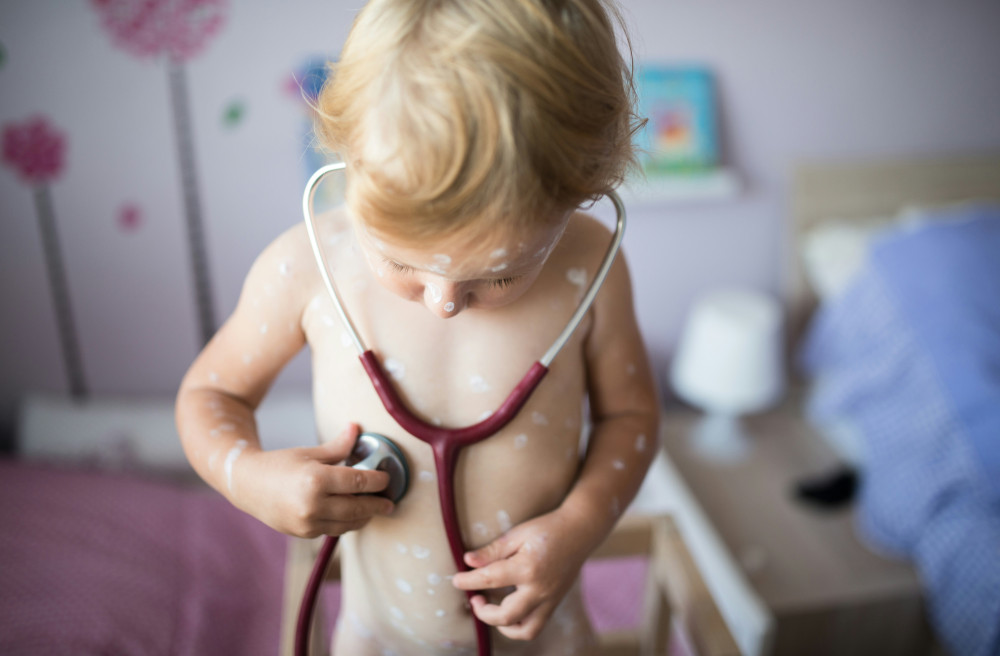
This memory means that the next time the same germ appears, the immune system can respond faster and more efficiently. That’s why many childhood illnesses, like chickenpox, usually happen only once — the immune system has learned the lesson.
Læs også:


Why Illness Can Build Strength
Although it’s difficult to watch a child struggle with fever or fatigue, illness is a natural part of growing up. Through these small battles, the immune system matures and becomes more resilient.
Children who attend daycare or preschool often get sick more frequently than those who stay home, but over time, they tend to develop stronger immune defenses. This doesn’t mean parents should expose children to illness on purpose — but it does mean that frequent colds and sniffles in early childhood are normal and even beneficial in the long run.
The Importance of Recovery
After an illness, the body needs time and care to rebuild energy and strength. This is where parents play a key role.
- Sleep: Make sure your child gets plenty of rest. During sleep, the body repairs tissues and strengthens immune function.
- Nutrition and hydration: Offer light, nourishing meals and lots of fluids. Fruits, vegetables, and whole grains help restore balance and energy.
- Gentle activity: Once the fever is gone, children can gradually return to play. Light movement supports circulation and helps the immune system get back on track.
The most important thing is to listen to your child’s signals. Some bounce back quickly, while others need a little more time.
When Illness Returns
It can be frustrating when your child gets sick again soon after recovering. But this doesn’t necessarily mean their immune system is weak. In fact, it often means the body is still learning.
Young children are constantly exposed to new viruses, many of which are similar but not identical. That’s why it can feel like an endless cycle of colds. Over time, though, the intervals between illnesses grow longer, and the symptoms become milder.
Supporting the Immune System Every Day
While illness can’t be avoided completely, parents can help strengthen their child’s immune system through healthy daily habits:
- Balanced diet: A variety of fruits, vegetables, lean proteins, and whole grains provides the nutrients the body needs to stay strong.
- Fresh air and movement: Outdoor play supports both physical and emotional well-being.
- Good hygiene: Simple habits like washing hands before meals and after using the bathroom reduce the spread of germs.
- Emotional comfort: Stress can weaken the immune system, while love, security, and calm help it thrive.
Building a Resilient Immune System Takes Time
A child’s immune system isn’t fully developed at birth. It matures gradually through exposure to everyday microbes and infections. Each illness is a small step in that process.
For parents, it can be reassuring to know that those many colds and fevers are part of a natural learning curve. The body is training, remembering, and growing stronger — much like muscles that build after exercise.
By offering care, nutritious food, and patience, parents can help their child’s immune system develop into a robust defense for life. Every time the body overcomes an illness, it emerges a little stronger than before.
Læs også: