Layering for Kids: How to Dress Your Child for Changing Temperatures


Layering for Kids: How to Dress Your Child for Changing Temperatures
Weather in much of the U.S. can be unpredictable—chilly mornings, warm afternoons, and breezy evenings all in the same day. For kids who spend hours playing outside, staying comfortable through these changes can be tricky. That’s where layering comes in. Dressing your child in layers helps them stay warm, dry, and ready for anything the day brings. Here’s how to master the art of layering for kids, from school days to weekend adventures.
What Does Layering Mean?
Layering means dressing your child in several thin layers instead of one thick piece of clothing. Each layer has a specific job: the base layer keeps skin dry, the middle layer provides warmth, and the outer layer protects against wind and rain. By adding or removing layers, you can easily adjust to changing temperatures throughout the day.
This approach keeps kids comfortable and free to move—whether it’s a crisp fall morning, a cool spring day, or a breezy summer evening.
Læs også:

The Base Layer – Keeps Skin Dry
The base layer sits closest to the skin and helps manage moisture. Kids tend to sweat when they play, and if that moisture stays on their skin, they can quickly get chilled.
- Best materials: Merino wool or moisture-wicking synthetics like polyester. Avoid cotton—it absorbs moisture and stays damp.
- Examples: A lightweight wool undershirt and leggings in winter, or a thin athletic-style shirt in milder weather.
Wool is especially useful because it naturally regulates temperature and stays warm even when damp.
The Middle Layer – Provides Warmth
The middle layer’s job is to trap body heat. It creates an insulating air pocket between the base and outer layers.
- Best materials: Fleece, wool, or lightweight down.
- Examples: A fleece pullover, wool sweater, or insulated vest.
On very cold days, you can double up with two mid-layers—say, a wool sweater under a fleece jacket—but make sure your child can still move comfortably.
The Outer Layer – Shields from Wind and Rain
The outer layer protects against the elements. It should block wind and repel water while still allowing moisture from inside to escape.
- Best materials: Waterproof or water-resistant shells, softshell jackets, or breathable rain gear.
- Examples: A lightweight rain jacket for spring and fall, or a snow jacket and snow pants for winter.
Check that jackets and pants have sealed seams and snug closures at wrists, ankles, and neck to keep out cold air and moisture.
Adjusting for the Season
Layering works year-round, but the number and type of layers should change with the season.
- Spring and fall: Three layers usually work well—moisture-wicking base, warm mid-layer, and a wind- or rainproof shell.
- Summer: Two layers are often enough—a light base layer and a windbreaker for cool mornings or evenings.
- Winter: Use all three layers, plus accessories like a hat, mittens, neck gaiter, and warm socks.
Remember, kids are usually more active than adults and warm up quickly. It’s better to start with slightly fewer layers and keep an extra one in their backpack just in case.
Everyday Tips for Parents
- Check the back of the neck: If it’s warm and dry, your child is comfortable. If it’s cold or sweaty, adjust the layers.
- Choose easy-on, easy-off clothing: Zippers, snaps, and stretchy fabrics make it easier for kids to regulate their own temperature.
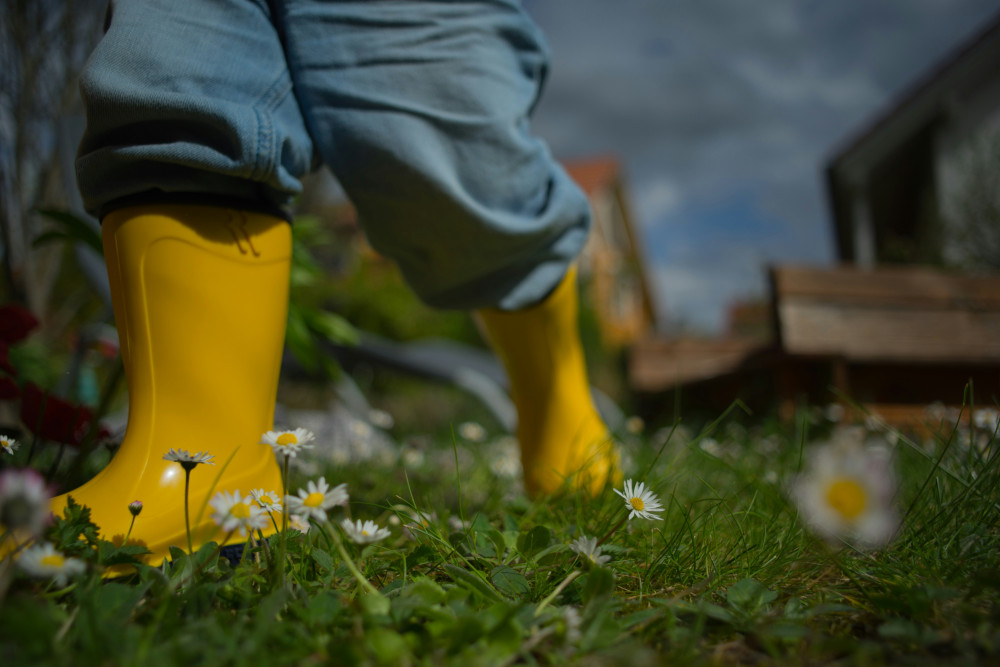
- Don’t forget the feet: Wool socks keep feet warm and dry, even in rain boots or snow boots.
- Pack a spare layer: Keep an extra fleece or jacket at school or in the car for sudden weather changes.
Layering Means Comfort and Freedom
When you dress your child in layers, you’re giving them the freedom to play, explore, and stay comfortable no matter what the weather does. It’s not about piling on clothes—it’s about choosing the right combination that works together.
With a little practice, layering becomes second nature. And you’ll have peace of mind knowing your child is ready for anything—from frosty mornings to sunny afternoons—without missing a moment of fun.
Læs også: