From Purees to Finger Foods: How to Make the Transition to Solids Safe and Fun

From Purees to Finger Foods: How to Make the Transition to Solids Safe and Fun
When your baby starts showing interest in what’s on your plate, a new and exciting chapter begins — the move from purees to solid foods. It’s a time full of curiosity, new flavors, and, yes, a bit of mess. But it can also raise questions: When is your baby ready? What foods should you start with? And how can you make mealtimes both safe and enjoyable? Here’s a guide to help you support your little one’s first bites — at a pace that feels right for both of you.
When Is Your Baby Ready?
Most babies are ready to start solids around six months of age, though every child is different. Signs that your baby may be ready include:
- Sitting up with support and holding their head steady.
- Showing interest in your food — watching, reaching, or opening their mouth.
- Seeming less satisfied with breast milk or formula alone.
It’s important to follow your baby’s cues and not rush the process. Breast milk or formula should still be the main source of nutrition at first, while solid foods gradually take on a bigger role.
From Spoon to Fingers — A Gradual Transition
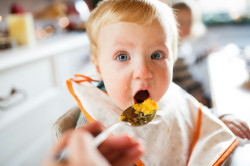
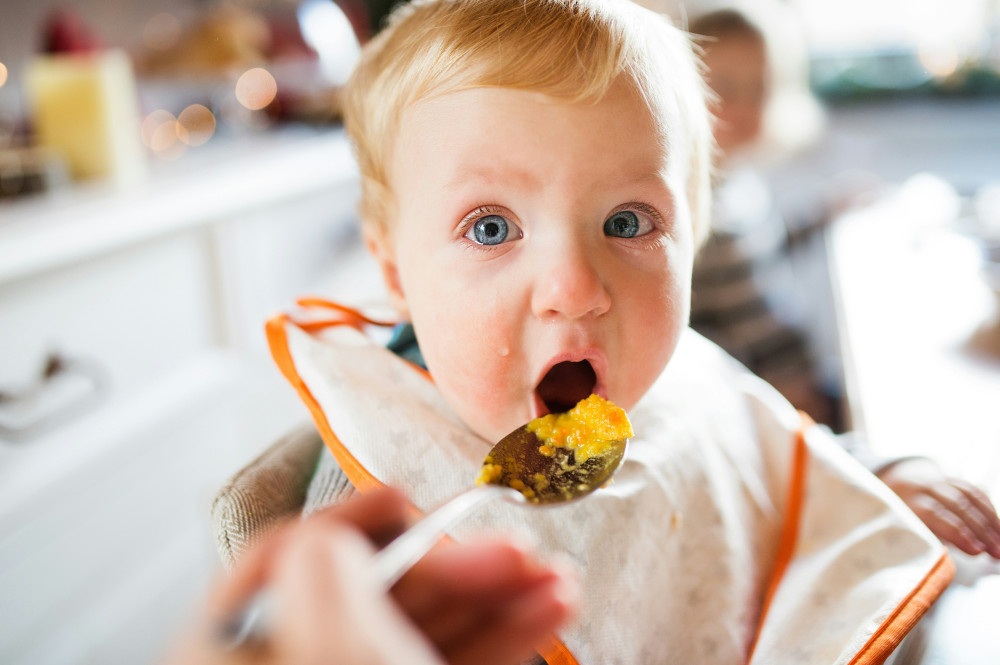
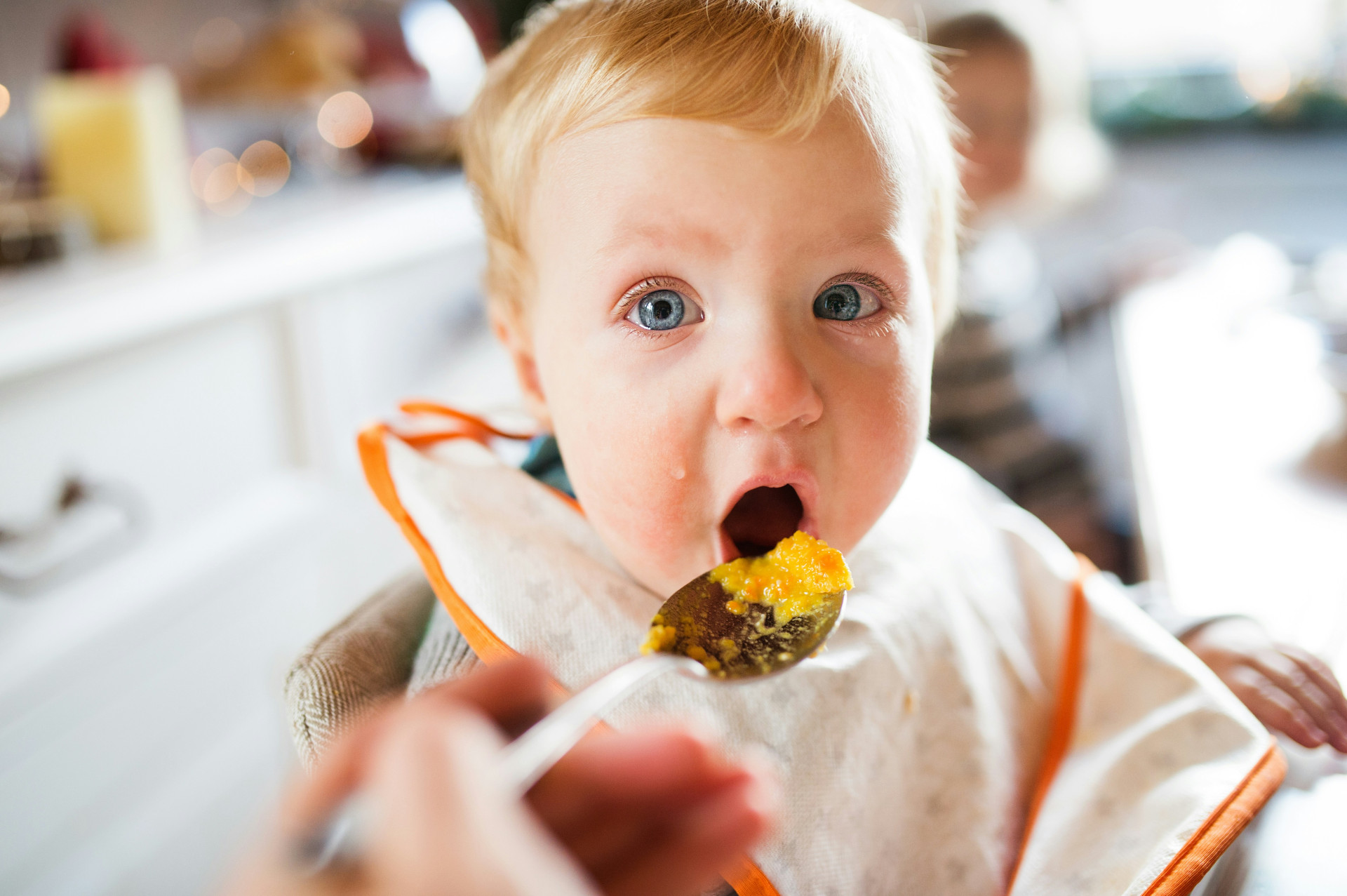
The shift from purees to finger foods works best when it happens step by step. Start with smooth purees that your baby can eat from a spoon. As they get used to eating, slowly make the texture thicker and lumpier.
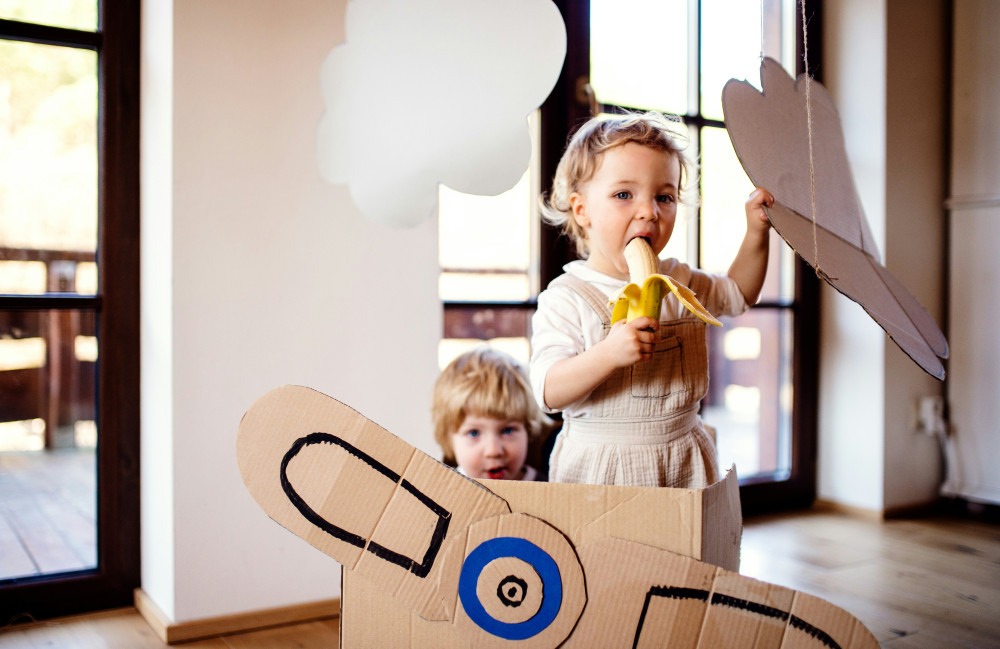
Next, introduce soft, bite-sized pieces your baby can pick up on their own — like cooked vegetables, small pieces of ripe fruit, or soft pasta. This helps develop fine motor skills and encourages independence and curiosity about food.
Remember, it’s not about how much your baby eats, but about the experience. Mealtime is a learning opportunity — a chance to practice chewing, tasting, and exploring new textures.
Creating a Safe and Calm Mealtime
A calm environment helps your baby feel secure. Sit together at the table and let your baby be part of family meals. Watching you eat teaches them by example.
Try not to stress about how much food actually gets eaten. Some days your baby will eat more, other days less — and that’s perfectly normal. Offer small portions and let your baby set the pace.
If you’re ever unsure about your baby’s growth or nutrition, talk with your pediatrician. They can help you make sure your baby is developing well.
Making Mealtime Fun
Food isn’t just about nutrition — it’s also about discovery and joy. When your baby gets to touch, taste, and explore, eating becomes a positive experience.
- Let your baby get hands-on. Touching and playing with food helps build sensory awareness and curiosity.
- Talk about the food. Describe colors, shapes, and flavors — it supports language development and interest.
- Mix familiar and new foods. Pairing a new taste with a favorite one can make trying new things easier.
Yes, it will get messy — but that’s part of the fun. A good bib and a mat under the high chair can make cleanup easier.
Safety First
As your baby starts self-feeding, safety is key. Cut food into small, manageable pieces and avoid hard, round, or sticky foods that can cause choking — like whole grapes, nuts, popcorn, or raw carrots.
Always have your baby sit upright while eating, and stay close by during meals. Supervision helps keep mealtime safe and gives you peace of mind.
Building Healthy Habits Early
Your baby’s first experiences with food lay the foundation for lifelong eating habits. By keeping mealtimes calm and positive, you teach your child that food is something to enjoy and feel comfortable with.
Try to keep a loose routine for meals, but stay flexible — babies’ appetites can change from day to day. And remember, repetition matters: it can take several tries before a baby accepts a new flavor.
Læs også:
A Journey, Not a Race
The transition to solid foods is a journey, and every baby moves at their own pace. Some dive right in, while others take their time. The most important thing is to stay patient and keep the experience joyful.
When you approach this stage with calm, curiosity, and a sense of fun, mealtimes become more than just feeding — they become special moments of connection and growth for your whole family.
Læs også: