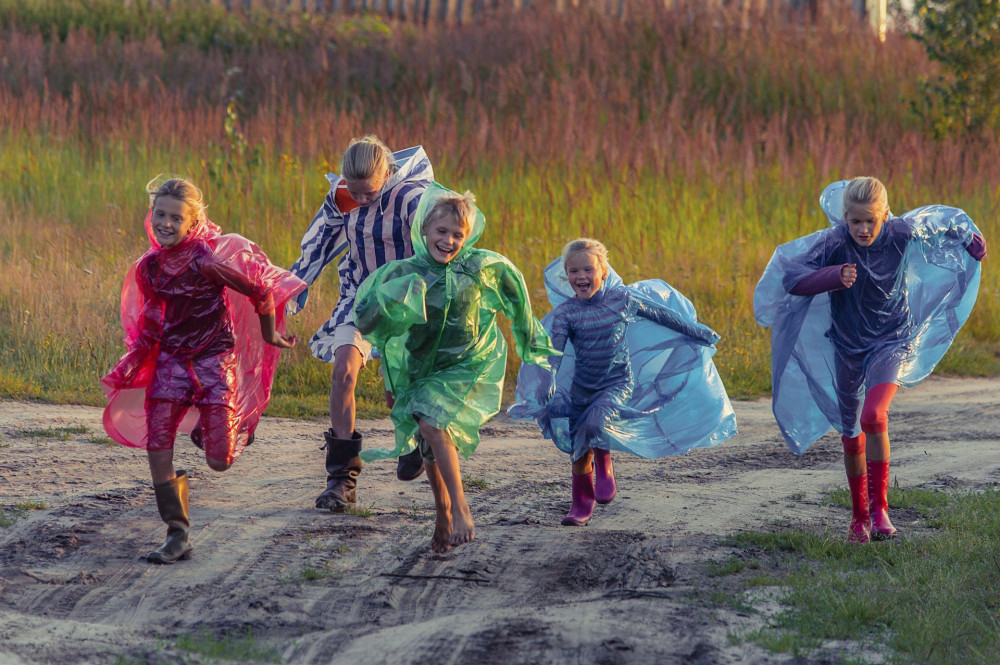
Community Among Boys: How They Learn to Take Responsibility and Support Each Other


Community Among Boys: How They Learn to Take Responsibility and Support Each Other
As boys grow up, the communities they belong to play a crucial role in shaping who they become. Through shared experiences, they learn what it means to take responsibility, show care, and work together toward common goals. These communities do more than create friendships—they help build character, values, and a sense of belonging that lasts well into adulthood.
The Role of Community in Boys’ Development
Research in child development shows that boys often learn best through action and collaboration. Whether it’s on a sports team, in a scouting troop, a music group, or a community service project, boys gain valuable lessons by taking part in something larger than themselves. They learn that responsibility isn’t just about doing their own part—it’s also about being there for others when it matters.
A healthy community gives boys a space where they can be themselves without having to live up to narrow ideas of what a “real boy” should be. It allows them to express both strength and vulnerability, helping them grow into well-rounded individuals who understand that empathy and courage go hand in hand.
Learning Responsibility Through Experience
Responsibility is best learned through doing, not just through being told. When boys are given real tasks—like organizing team equipment, helping a classmate with homework, or leading a group project—they begin to see how their actions affect others. These experiences teach them that their contributions matter and that leadership often starts with small, consistent acts of care.
Adults play a key role here. Parents, teachers, and coaches can encourage responsibility by giving boys room to try, fail, and try again. When boys see that their efforts are valued and that mistakes are part of learning, they develop confidence and a genuine sense of accountability.
Læs også:


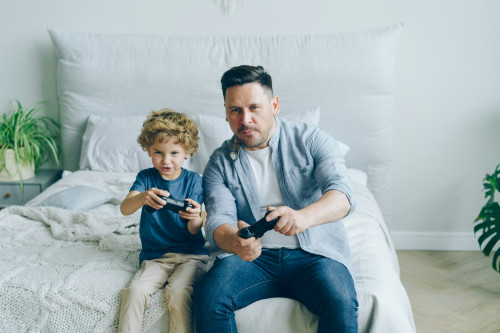

Support and Loyalty – The Glue of Friendship
For many boys, loyalty is a deeply held value. They learn early on that standing by friends is important. But true support goes beyond defending one another—it also means having the courage to speak up when something isn’t right and showing compassion when a friend is struggling.
Supporting others takes bravery. It can be hard to go against the group or to show emotion, but these moments are where real growth happens. When boys learn that trust and respect are the foundation of friendship—not pressure or fear of being different—they build stronger, more meaningful connections.
The Role of Adults in Building Healthy Communities
Adults have a powerful influence on how boys experience community. The goal isn’t to control every situation but to create environments where boys feel seen, heard, and supported. When adults listen, show interest, and help boys reflect on their experiences, they turn everyday activities into opportunities for growth.
It’s also important to talk openly about what it means to be a good friend and how to handle conflict. Boys benefit from knowing that it’s okay to talk about feelings and relationships—and that doing so is a sign of strength, not weakness.
Community as a Foundation for Well-Being
A strong sense of community gives boys belonging and purpose. It protects against loneliness and helps them develop the resilience needed to face life’s challenges. When boys experience both giving and receiving support, they build confidence that extends far beyond childhood.
Learning to take responsibility and support one another doesn’t happen overnight. It’s a gradual process that requires trust, patience, and positive role models. But when boys are given the chance to grow within a caring community, they don’t just become stronger individuals—they become the kind of people who help build communities that lift everyone up.
Læs også: