Comfort Through Play: How Toys Can Support Your Child in New Situations

Comfort Through Play: How Toys Can Support Your Child in New Situations
When children face new situations—starting preschool, moving to a new neighborhood, or meeting new friends—it can bring both excitement and uncertainty. For kids, play is a natural way to make sense of the world, and the right toys can offer comfort and stability during transitions. Through play, children process experiences, express emotions, and find reassurance in what feels familiar. Here’s how toys can help your child feel more secure when life changes.
Toys as Emotional Anchors
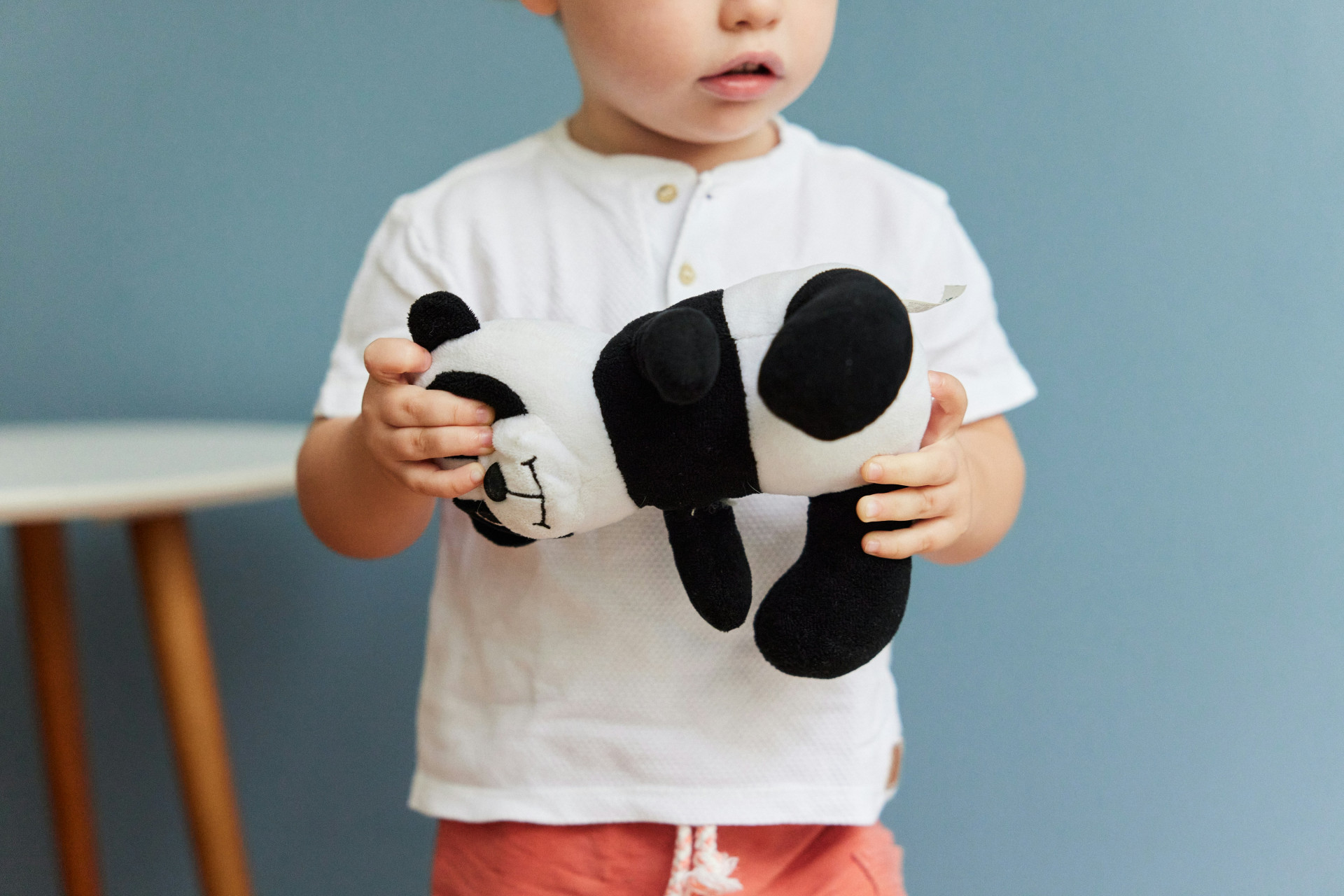
For young children, toys are often more than just entertainment—they can be a source of comfort and continuity. A favorite stuffed animal, doll, or small toy can serve as a “transitional object,” helping a child feel connected to home even when everything else feels new. Having something familiar to hold onto can make it easier to handle new environments.
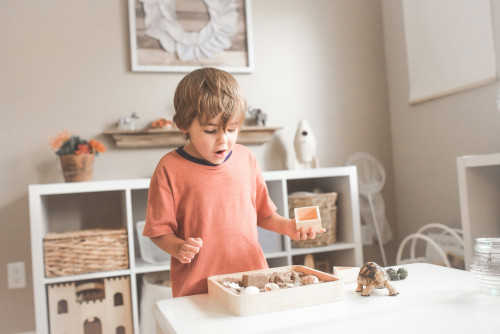
If your child is starting daycare or preschool, consider letting them bring a small toy from home. It might be a soft toy, a small car, or a figurine that reminds them of their safe space. This simple connection can bridge the gap between the familiar and the unfamiliar.
Using Play to Understand Change
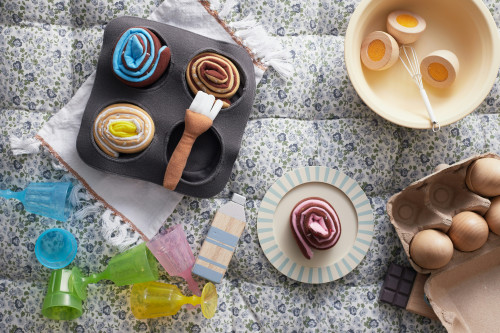
Children often process new experiences through pretend play. When they play “school,” “doctor,” or “family,” they’re exploring roles and situations they’ve observed in real life. This kind of play helps them understand what’s happening around them and gives them a sense of control.
If your child is about to face a new situation, try playing it out together. If they’re starting preschool, you can play “school” at home with stuffed animals as classmates. If you’re moving, build a “new house” out of blocks and talk about what it will be like. Turning change into play makes it less intimidating and more manageable.
Læs også:
Creating Familiarity Through Play
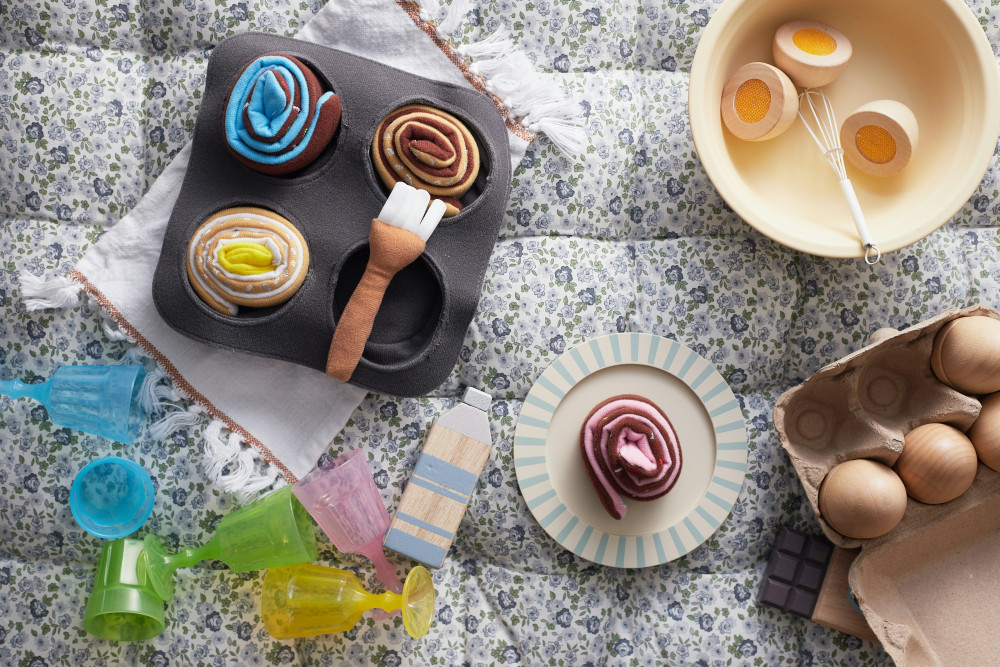
Familiarity builds comfort. When children can recognize elements from their daily life in their play, it helps them feel more at home in new surroundings. Toys that reflect real-life experiences—like play kitchens, tool sets, or figures that represent everyday people—can help children understand and anticipate what’s coming.
Keeping familiar play routines can also help. If you usually build with blocks after dinner, try to keep that tradition even when your child starts a new school or you move to a new home. Consistent play routines provide a sense of stability amid change.
Helping Children Connect with Others
Toys can also be wonderful icebreakers when children meet new peers or adults. A shared toy—like a ball, puzzle, or set of building blocks—creates a natural opportunity for interaction. Through cooperative play, children learn to share, communicate, and collaborate, which can make it easier to form new friendships.
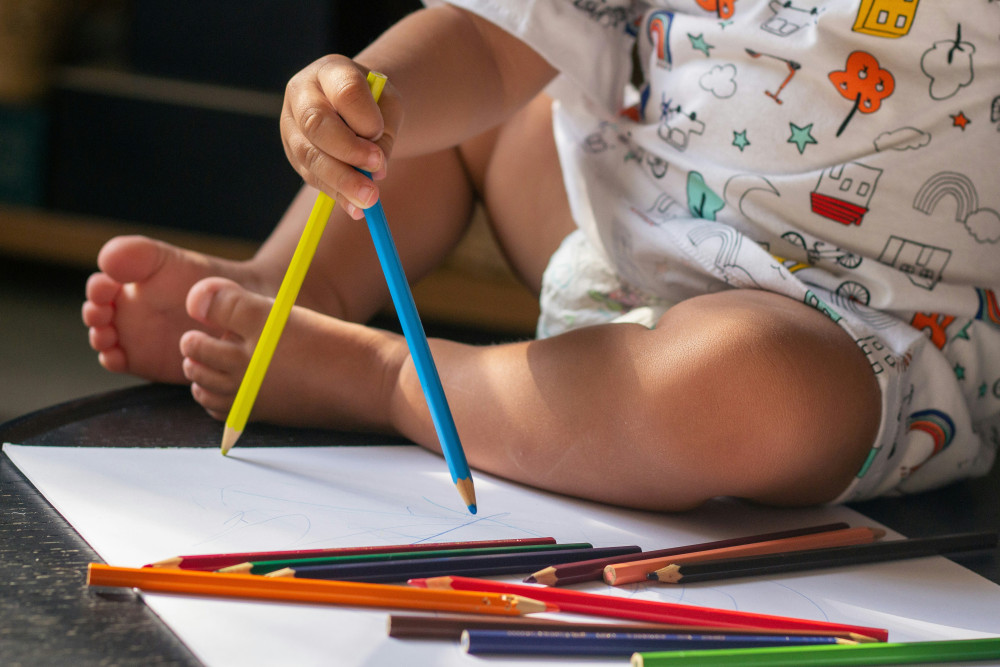
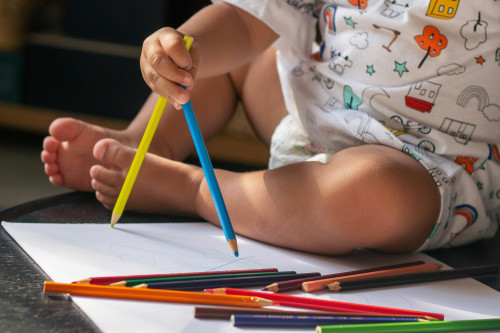
As a parent, you can encourage connection by choosing toys that invite cooperation rather than competition. Building sets, pretend play kits, and art supplies allow multiple children to play together without the pressure of winning or losing.
Respecting Your Child’s Pace
Every child responds differently to change. Some dive right in with curiosity, while others need more time and reassurance. The key is to let your child use play at their own pace. Avoid pushing too quickly—be present, observe, and join in when your child invites you.
Watching how your child plays can also give you insight into their feelings. If their play often involves saying goodbye, hiding, or building barriers, it might be a sign they’re working through uncertainty. You can support them by talking about what’s happening in their play and acknowledging their emotions.
Play as a Safe Foundation
Play and toys are more than just fun—they’re tools that help children understand, cope, and feel secure in the world. By giving your child space to play and choosing toys that support their emotional needs, you’re offering them a language for handling change.
Comfort through play isn’t about shielding your child from new experiences—it’s about equipping them to face the unfamiliar with curiosity and confidence. And often, it all begins with something as simple as a favorite stuffed animal, a set of blocks, and time to play together.
Læs også: